
Are London Luxury New Builds Worth the Premium?
Luxury new build developments in London frequently command a significant premium compared with older residential properties. In districts such as Mayfair, Knightsbridge, Belgravia, Kensington and Marylebone, newly constructed apartments often sell at substantially higher prices per square foot than nearby period homes. For buyers and investors evaluating opportunities in the capital’s property market, an important question arises: are these premium prices justified?
The answer depends on a combination of factors including location, amenities, design quality and long term investment objectives. Modern developments provide advantages that older buildings often cannot replicate, yet they also come with higher acquisition costs. Understanding the trade off between price and value is therefore essential when assessing luxury new build property in London.
Modern Design and Architectural Efficiency
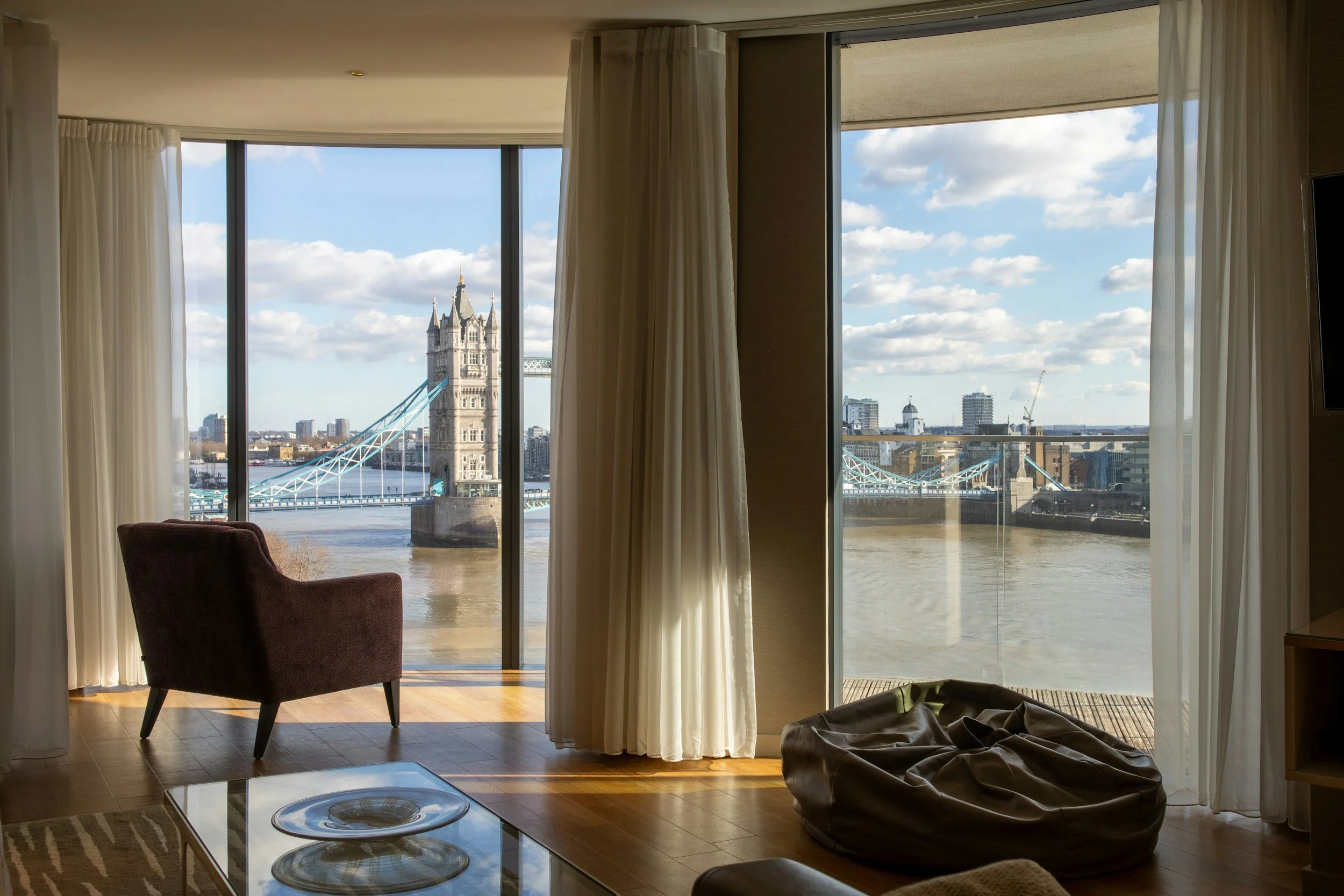
One of the primary advantages of luxury new builds is contemporary architectural design. Many modern developments offer features rarely found in traditional London housing stock, including large open plan living spaces, floor to ceiling glazing and expansive terraces.
These layouts appeal particularly to international buyers accustomed to modern residential environments in cities such as New York, Dubai or Singapore. New developments are also designed with advanced building systems, including climate control, energy efficient infrastructure and smart home technology.
For buyers seeking convenience and modern design, these features often justify the higher price point.
Amenities and Managed Living Environments
Luxury new build developments frequently include amenities that extend beyond traditional residential offerings. Concierge services, private wellness facilities, fitness centres and secure underground parking have become standard in many high end projects.
In some developments, residents also have access to private dining rooms, cinemas, spa facilities and landscaped communal spaces. These services create a managed living environment similar to that of luxury hotels.
For buyers who value convenience and professional building management, these amenities contribute significantly to the appeal of new developments.
Security and Privacy
Security infrastructure is another factor contributing to the premium associated with luxury new builds. Modern developments often incorporate controlled entry systems, concierge managed security and secure parking facilities.
For international buyers who may spend limited time in London, these features provide reassurance that the property will remain secure when unoccupied. Private lift access and discreet entrances in some developments also enhance privacy for residents.
Older buildings may offer character and historic architecture, but they often lack the integrated security systems found in contemporary developments.
Location and Limited Development Supply
Luxury new builds are frequently located in some of the most prestigious areas of London. Because development opportunities in historic neighbourhoods are extremely limited, new residential projects tend to be rare and highly sought after.
Strict planning regulations and heritage protections restrict large scale construction in districts such as Mayfair and Belgravia. When new developments are introduced in these locations, demand can be particularly strong.
Scarcity therefore contributes to the premium pricing associated with luxury new build property in central London.
Investment Considerations
From an investment perspective, luxury new builds offer both advantages and potential drawbacks. Modern properties may attract strong demand from international buyers seeking turnkey residences with minimal maintenance requirements.
However, some investors note that brand new developments occasionally carry a developer premium at launch. As the building matures and comparable resale properties appear, pricing may stabilise relative to surrounding properties.
Careful evaluation of location, developer reputation and building quality is therefore essential when assessing long term investment potential.
Comparison With Period Properties
London’s residential landscape includes a large number of historic period properties that offer architectural character and traditional design features. Georgian, Victorian and Edwardian homes remain highly desirable among many buyers.
In some cases, well restored period properties can compete with luxury new builds in terms of value and prestige. However, these homes often require ongoing maintenance and may lack the integrated amenities provided by modern developments.
Buyers therefore choose between historic charm and contemporary convenience depending on personal preferences and lifestyle priorities.
Market Perspective
The London luxury property market continues to attract global investors seeking stable real estate assets. According to research published by major property consultancies such as Savills and Knight Frank, demand for modern developments remains strong among international buyers.
At the same time, the limited supply of development sites in central districts means that new luxury projects are relatively rare. This scarcity helps sustain long term interest in high quality developments located in prestigious neighbourhoods.
As global wealth continues to flow into major international cities, London’s luxury new build sector remains an important component of the broader residential market.
Conclusion
Luxury new builds in London command premium pricing due to their modern design, extensive amenities and secure residential environments. For buyers who prioritise convenience, contemporary architecture and managed living, these properties can offer considerable advantages.
However, the premium attached to new developments requires careful evaluation. Location, building quality and long term demand should all be considered before making a purchase decision. In a city where historic architecture and modern design coexist, both new builds and period properties can offer compelling opportunities depending on the buyer’s priorities.