
Best Regeneration Hotspots Near Acton — 2026
Best Regeneration Hotspots Near Acton — 2026
Acton sits at the heart of a transformative West London corridor. With the Elizabeth Line, strong transport links and major urban renewal programmes underway nearby, the area is feeding off widespread regeneration momentum. For buyers and investors looking for up-and-coming value corridors with long-term upside, several surrounding areas stand out.
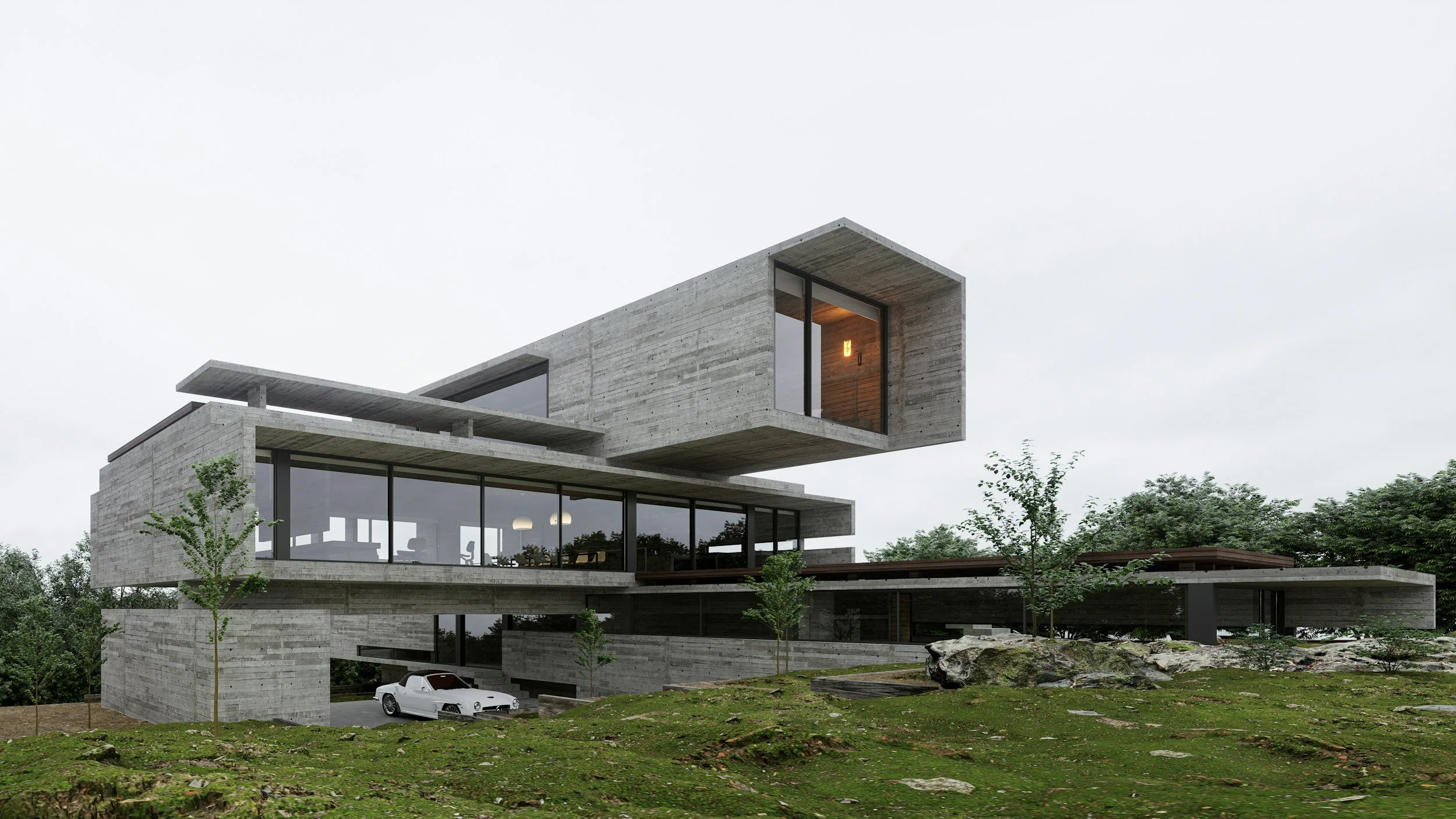
Here’s a targeted professional overview of the most compelling regeneration hotspots near Acton today.
1. Southall — Crossrail-Fueled Transformation
Overview
Southall is one of the most significant regeneration zones in West London. Its evolution is anchored by the Elizabeth Line and widespread investment in mixed-use, employment, and housing.
Why It’s a Hotspot
Major residential and commercial schemes are reshaping the town centre.
Retail, leisure, and civic improvements that enhance daily life.
Ongoing public realm projects creating walkable, connected neighbourhoods.
Long-Term Appeal
Southall’s transformation is deep, not superficial — turning low-density industrial edges into vibrant urban quarters. This broad repositioning supports sustained capital appreciation and rental demand.
2. White City & Wood Lane Corridor — Urban Innovation Hub
Overview
East of Acton, White City is emerging as an urban innovation and mixed-use centre. Its redevelopment has been anchored by large-scale employment spaces, green public realm, and expanding residences.
Why It’s a Hotspot
A growing employment ecosystem attracting creative, tech, and media sectors.
New cultural and retail amenities repositioning the district.
Regenerated public spaces with pedestrian priority and transport synergies.
Long-Term Appeal
This area is shifting from a patchwork of uses into a cohesive urban node, creating value spill-over into neighbouring addresses — including Acton.
3. Wembley Park — Civic and Cultural Rebirth
Overview
Further north, Wembley Park’s large-scale regeneration has transformed it into a multi-functional destination anchored by culture, leisure, retail, and residential development.
Why It’s a Hotspot
Significant residential delivery with a depth of built-in amenity.
Long-term commercial and cultural anchors driving footfall.
Ongoing refinement of public realm and transport interchange.
Long-Term Appeal
While slightly further afield, Wembley Park’s regeneration radiates value into West London, influencing demand patterns, rental dynamics, and buyer interest in Acton and adjacent corridors.
4. Ealing Town Centre — Residential & Mixed-Use Growth
Overview
Just west of Acton, Ealing’s town centre is undergoing a period of strategic reinvestment — blending residential renewal with enhanced retail, dining, and public spaces.
Why It’s a Hotspot
Integration of new residential developments with town centre amenity upgrades.
Streetscape projects that improve walkability and public interaction.
Growing demand from families and professionals attracted to the high-quality environment.
Long-Term Appeal
Ealing’s position as a complete urban neighbourhood (shops, transit, schools, parks) continues to solidify, making it a natural beneficiary of growth that radiates toward Acton.
5. Brentford Riverside — Thames-Edge Urbanism
Overview
South of Acton along the Thames, Brentford’s riverside regeneration has repositioned former industrial land into a mixed-use neighbourhood with lifestyle appeal.
Why It’s a Hotspot
Conversion of riverside land into residential and leisure environments.
Expanded public realm and pedestrian access along the Thames.
Retail and dining clusters that enrich daily life.
Long-Term Appeal
Brentford’s regeneration contributes to West London’s broader urban offer — enhancing lifestyle demand for waterside living and drawing buyers and renters from inner corridors like Acton.
6. Hanwell — Incremental Growth & Community Renewal
Overview
Hanwell, just north of Acton, is quietly maturing through smaller-scale infill projects, enhanced streetscapes, and improved amenity clusters.
Why It’s a Hotspot
Boutique mixed-use investment along high streets.
Pocket parks and green infrastructure upgrades.
Infill residential renewal enhancing local liveability.
Long-Term Appeal
While less headline-driven than other hotspots, Hanwell’s steady uplift — driven by community-oriented regeneration — positions it as a smart value catchment for buyers seeking quality without hype.
What Makes These Hotspots Worth Watching
Across these zones, four regeneration dynamics repeatedly reinforce long-term value potential:
Transport-Led Growth
Elizabeth Line and other transit enhancements shrink effective distance to Central London, broadening tenant and buyer pools.
Mixed-Use Evolution
Zones that combine residential, commercial, cultural, and civic life tend to outperform single-use neighbourhoods over time.
Public Realm Investment
Quality of streets, parks, and pedestrian linkages directly amplifies neighbourhood appeal and liveability.
Employment & Cultural Anchors
Growth corridors supported by jobs, culture, and activity nodes support more resilient demand regardless of short-term market cycles.
Conclusion
If Acton is your base, these nearby regeneration hotspots are worth watching — and, in many cases, engaging with strategically:
Southall: Massive, Elizabeth Line-anchored transformation with broad appeal.
White City & Wood Lane: Innovation and mixed-use focus reshaping West London nodes.
Wembley Park: Cultural and residential powerhouse reshaping catchment dynamics.
Ealing Town Centre: Complete urbanism with amenity and residential synergy.
Brentford Riverside: Thames-edge lifestyle reborn with mixed-use vitality.
Hanwell: Quiet, incremental uplift with strong community foundations.
These zones each offer distinct value drivers — from connectivity and cultural momentum to community enhancement and placemaking — making them strategic considerations for long-term residential and investment planning.
If you’d like, I can follow up with pricing and rental trends for these regeneration hotspots to help inform timing and entry strategy.