
Best Regeneration Hotspots Near Barnes
or ultra-high-net-worth buyers and investors with a forward-looking perspective, incremental value often resides beyond headline addresses. Regeneration hotspots — neighbourhoods experiencing coordinated public-realm upgrades, new mixed-use investment, transport enhancements, and strategic masterplanning — can deliver both capital growth and rental performance over the medium to long term. While Barnes itself enjoys strong residential fundamentals, several surrounding areas are undergoing meaningful regeneration that expands opportunity corridors and diversifies lifestyle options.
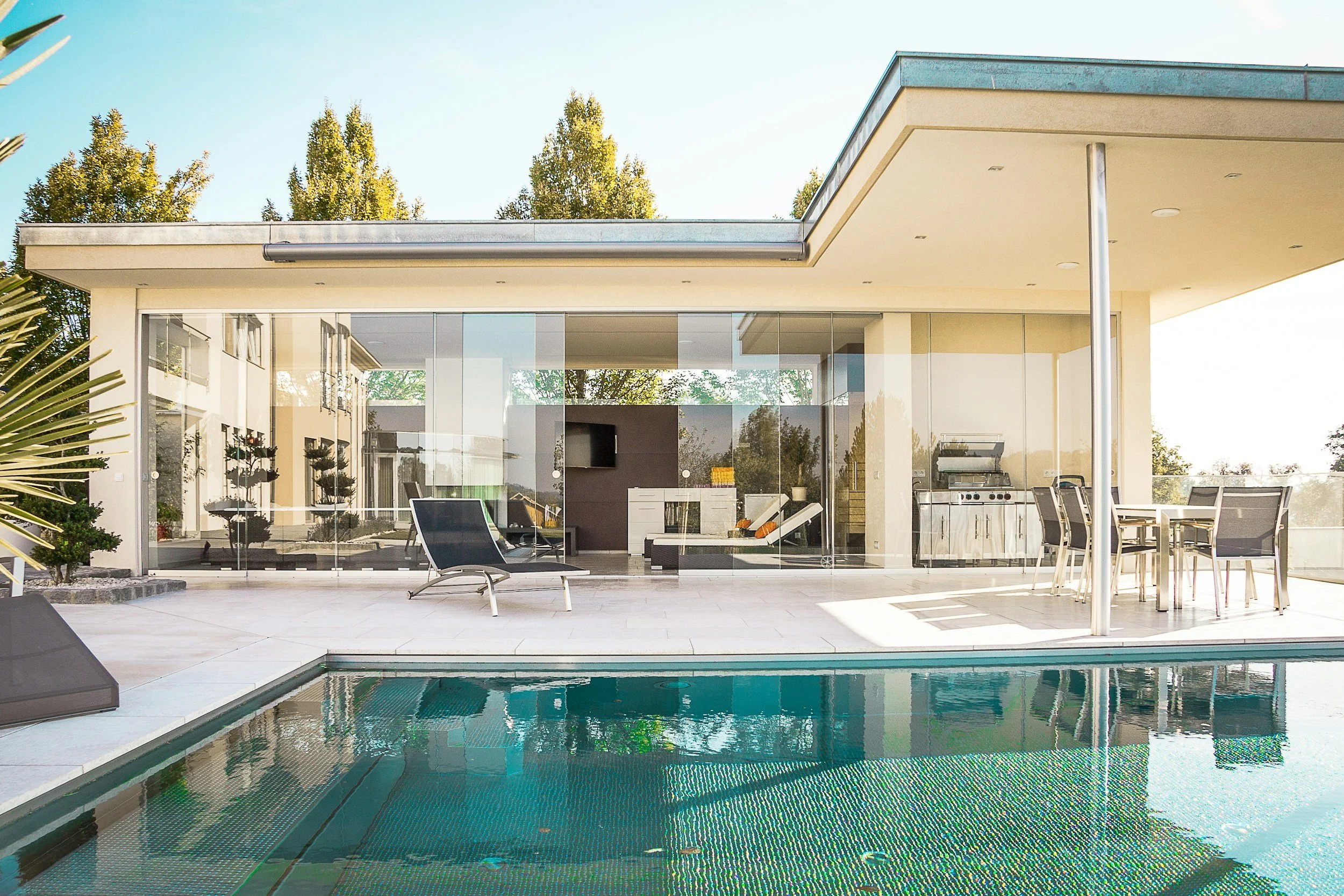
This professional overview identifies the most compelling regeneration hotspots near Barnes today, supported by indicators and trends referenced in Knight Frank Prime London research, Savills World Research, and broader property market analysis.
1. Hammersmith & Riverside Opportunity Corridors
Overview
Hammersmith lies to the east of Barnes and is among West London’s most active regeneration landscapes, driven by transport upgrades, mixed-use development, and evolving employment clusters.
Key Drivers
Major transport nodes (Hammersmith Broadway and interchanges) drawing ongoing public realm investment
Office-to-residential conversions and mixed-use masterplans
Retail and leisure precinct refurbishment
Thames-linked public spaces enhancing amenity
Why It Matters
Hammersmith’s evolution reinforces its positioning as a strategic West London hub, increasing connectivity and creating spill-over demand from adjacent residential markets.
Strategic Appeal
Investors and owner-occupiers seeking proximity to central London employment and amenity yet benefiting from heritage value and emerging infrastructure.
2. Chiswick High Road & South Acton Transition Zones
Overview
To the northwest of Barnes, Chiswick and parts of South Acton have become focal points for placemaking and commercial renewal, blending traditional West London character with new residential and workspace delivery.
Key Drivers
High Street regeneration initiatives promoting independent retail and dining clusters
Refurbishment of office and light-industrial stock into mixed-use schemes
Public realm improvements and pedestrian priority streetscapes
Why It Matters
The alignment of community-oriented investment with residential appeal supports sustained occupational demand and value stability.
Strategic Appeal
Strong for buyers seeking urban-edge living with neighbourhood amenity and a balanced lifestyle narrative.
3. Richmond Riverside and Town Centre Enhancements
Overview
Southwest of Barnes, Richmond continues its programme of sensitive regeneration along the river and town centre, featuring upgraded public spaces, cultural anchors, and high-quality residential infill.
Key Drivers
Riverside walk and green-space enhancements
Integration of heritage buildings with premium residential conversions
Expanded cultural and leisure offerings supporting year-round appeal
Retail and services improvements adjacent to station corridors
Why It Matters
Richmond’s layering of cultural, environmental, and retail enhancements strengthens its long-term desirability as a residential ecosystem rather than merely a commuter node.
Strategic Appeal
Ideal for investors and families targeting enduring value and premium lifestyle infrastructure.
4. Putney & East Putney Town Centre Renewal
Overview
Just downstream along the Thames, Putney’s regeneration narrative is anchored on town centre renewal, riverfront activation, and transport linkage enhancements.
Key Drivers
Intensification of mixed-use residential development along high streets
Riverfront leisure and public realm projects
Station area improvements enhancing commuter comfort
Why It Matters
Putney’s repositioning supports diversified residential demand across price points and demographic profiles, with attractions for both commuters and long-stay families.
Strategic Appeal
Appealing to investors seeking scaled regeneration with broad tenant catchment and to buyers seeking connectivity with river amenity.
5. Kingston Upon Thames Urban Renewal
Overview
Southwest of Barnes, Kingston’s urban renewal projects have focused on high-quality mixed-use development that integrates residential, cultural, retail, and employment space.
Key Drivers
Implementation of masterplanning frameworks for town centre expansion
Heritage conservation paired with modern infill
Cultural infrastructure investment (arts, theatre, civic spaces)
Streetscape and public realm elevation
Why It Matters
Kingston’s transformation underscores the potential of compact urban centres to attract long-term demand and diversified market activity beyond central London corridors.
Strategic Appeal
Suitable for multi-asset holders and investors targeting suburban growth nodes with systemic regeneration.
6. Surbiton Riverside and Neighbourhood Extension
Overview
Further southwest, Surbiton is gaining interest as a neighbourhood receiving incremental investment, particularly around its riverside edge and rail connections.
Key Drivers
Cycling and walking corridor expansions linking neighbourhoods to riverfront
Residential infill projects and adaptive reuse
Enhancement of retail clusters and café culture
Why It Matters
Surbiton’s evolving neighbourhood offer reflects broader lifestyle shifts favoring work-life balance and connectivity to green or waterfront infrastructure.
Strategic Appeal
Appealing to buyers seeking value-intelligent proximity to Barnes and Richmond while capturing growth dynamics.
Common Regeneration Value Drivers
The most robust hotspots share several enabling factors linked to wealth market behaviour and residential performance:
Transport-Led Accessibility
Enhancements to cross-borough transit, rail, tube, and active transport corridors expand effective catchment for residents and workers, boosting demand — a pattern observed in Savills urban regeneration studies.
Public Realm Investment
Improvements to open spaces, riverfronts, and civic arteries strengthen neighbourhood identity and daily experience, which correlates with sustained pricing, according to Knight Frank analysis.
Mixed-Use Evolution
Urban areas that blend residential, commercial, and cultural use tend to outperform over cycles due to broader economic and lifestyle engagement, as reinforced by Christie’s International Real Estate reports.
Connectivity and Local Amenity
Sites that knit walkable services, educational access, and social infrastructure together attract longer tenancies and stable owner-occupier markets.
Conclusion
The best regeneration hotspots near Barnes in 2026 are shaped less by headline spectacle and more by strategic infrastructure, placemaking investment, and community enhancement. Hammersmith & Riverside corridors, Chiswick/South Acton nodes, Richmond enhancements, Putney renewal, Kingston masterplanning, and Surbiton’s neighbourhood evolution each represent areas where thoughtful regeneration translates into expanded lifestyle appeal, softened risk, and broadened demand fundamentals.