
Best Regeneration Hotspots Near Ealing (2026)
Ealing sits at the heart of a dynamic West London transformation corridor, where transport upgrades, mixed-use investment, and public-realm enhancements are reshaping neighbourhood value. For buyers and investors thinking beyond the obvious, several nearby areas are emerging — or re-emerging — as regeneration hotspots with meaningful long-term upside.
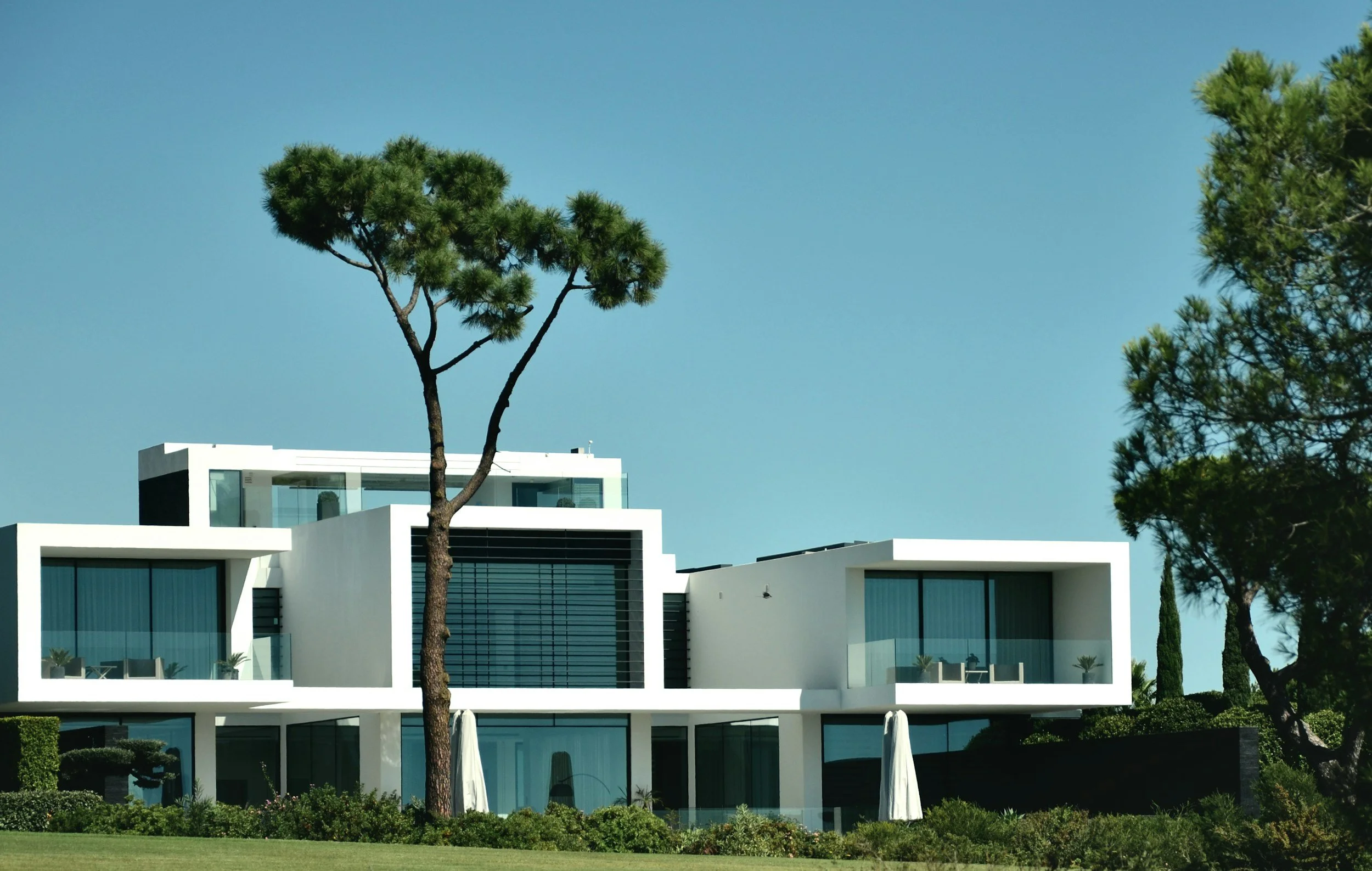
Here’s a professional, forward-looking overview of the most compelling regeneration zones close to Ealing.
1. White City — Urban Innovation & Mixed-Use Growth
Overview
Just east of Ealing, White City continues its evolution from former industrial and broadcast land into a significant innovation, residential and cultural district. It’s one of London’s most substantial regeneration narratives outside Central London.
Key Drivers
Large-scale mixed-use development with residential, office, retail, and cultural anchors
Ongoing enhancement of public realm and pedestrian links
Proximity to major transport (Central Line, Hammersmith & City corridor)
What’s Changing
White City is transitioning from dispersed campuses to a more cohesive, urban neighbourhood — which improves liveability and rental demand.
Why It Matters
The area is not just building units; it’s building a future-focused community with high employment gravity and lifestyle appeal, benefitting adjacent markets like Ealing.
2. Acton Town & South Acton — Emerging Residential Expansion
Overview
Directly west of Ealing, Acton continues to accelerate as a regeneration focal point, benefiting from Crossrail connectivity and wider West London growth momentum.
Key Drivers
Crossrail-enabled commuting performance
Large redevelopment sites converting under-utilised land into residential clusters
Incremental investment in local amenity and streetscape
What’s Changing
New residential blocks, community facilities, and pedestrian improvements are making Acton a walkable, liveable alternative to pricier adjoining markets.
Why It Matters
Acton’s evolution reduces buying pressure on Ealing while also generating spill-over demand and rental interest — particularly from commuters valuing Elizabeth Line access.
3. Southall — Crossrail-Fueled Transformation
Overview
Southall is one of West London’s most talked-about emerging districts. Its regeneration is larger in scale and profoundly anchored by Elizabeth Line connectivity.
Key Drivers
Major residential and commercial schemes around Southall station
Cultural renewal and community-driven placemaking
Enhanced public realm and civic investment
What’s Changing
Large sites formerly devoted to industrial or low-density uses are evolving into mix-use neighbourhoods with residential, retail, and workspace provision.
Why It Matters
Southall is shifting from an outlier to a core growth node in West London, setting up long-term capital uplift potential for nearby addresses, including Ealing.
4. Brentford Riverside & Kew Bridge — Waterside Urbanism
Overview
South of Ealing, the Brentford and Kew Bridge area along the Thames has been experiencing rapid renewal, blending riverside living with job growth and improved amenities.
Key Drivers
Conversion of industrial riverside land to residential-led mixed use
Improved riverside public realm and cycling routes
Growth of leisure, retail, and waterfront cafés/restaurants
What’s Changing
Brentford is repositioning itself as a vibrant Thames-edge neighbourhood with substantial residential density and lifestyle appeal.
Why It Matters
Its transformation attracts tenants and buyers who value riverfront orientation, urban amenities, and strong transport — and this demand radiates back toward Ealing and Acton.
5. Hanwell — Quiet Regeneration at the Edge
Overview
Hanwell lies just north of Ealing and is quietly gaining focus for its evolving urban framework — balancing suburbia with amenity improvement.
Key Drivers
Station enhancements and active travel improvements
Boutique commercial activity and community placemaking
Small-scale infill and design-led residential projects
What’s Changing
Hanwell’s profile is increasing, not through massive towers, but through incremental uplift in housing quality and neighbourhood amenity.
Why It Matters
For buyers seeking value without compromising quality, Hanwell’s regeneration ethos — calm, connected, and community-oriented — offers a strategic alternative to overheated markets.
What Makes These Hotspots Worth Watching
Instead of sheer headline density, the hotspots near Ealing share a few strategic value drivers:
Transport-Led Transformation
Crossrail/Elizabeth Line access is a defining catalyst — shortening commutes and expanding catchment economics.
Placemaking & Amenity Growth
Areas that invest in public spaces, parks, pedestrian priorities, and cultural anchors see stronger sustained appeal than zones driven solely by housing volume.
Mixed-Use Evolution
Balanced neighbourhoods — blending residential, commercial, civic, and leisure uses — create more resilient demand curves for both buyers and renters.
Connectivity to Central & Heathrow
Enhanced mobility unlocks value not just for commuters but for families and investors targeting multi-modal London access.
Conclusion
The best regeneration hotspots near Ealing in 2026 are not just places with construction cranes — they are neighbourhoods where connectivity, amenity, identity, and future opportunity converge. White City and Acton offer growth adjacent to established employment hubs; Southall delivers transformational scale; Brentford Riverside crystallises waterside urbanism; and Hanwell brings quieter, quality-led living into focus.
For buyers and investors alike, these zones represent strategic corridors of value creation, each capable of reshaping neighbourhood perception — and price performance — over the coming decade.