
Best Regeneration Hotspots Near Nine Elms
London’s real estate story over the next decade will be shaped as much by regeneration momentum as by traditional prime-location dynamics. Nine Elms stands at the centre of one of the capital’s most transformative regeneration zones, but the most intelligent investors and buyers know to look beyond its immediate footprint. Around it are neighbourhoods where infrastructure investment, mixed-use renewal and strategic planning are reshaping local markets — and creating opportunity for both capital growth and rental performance.
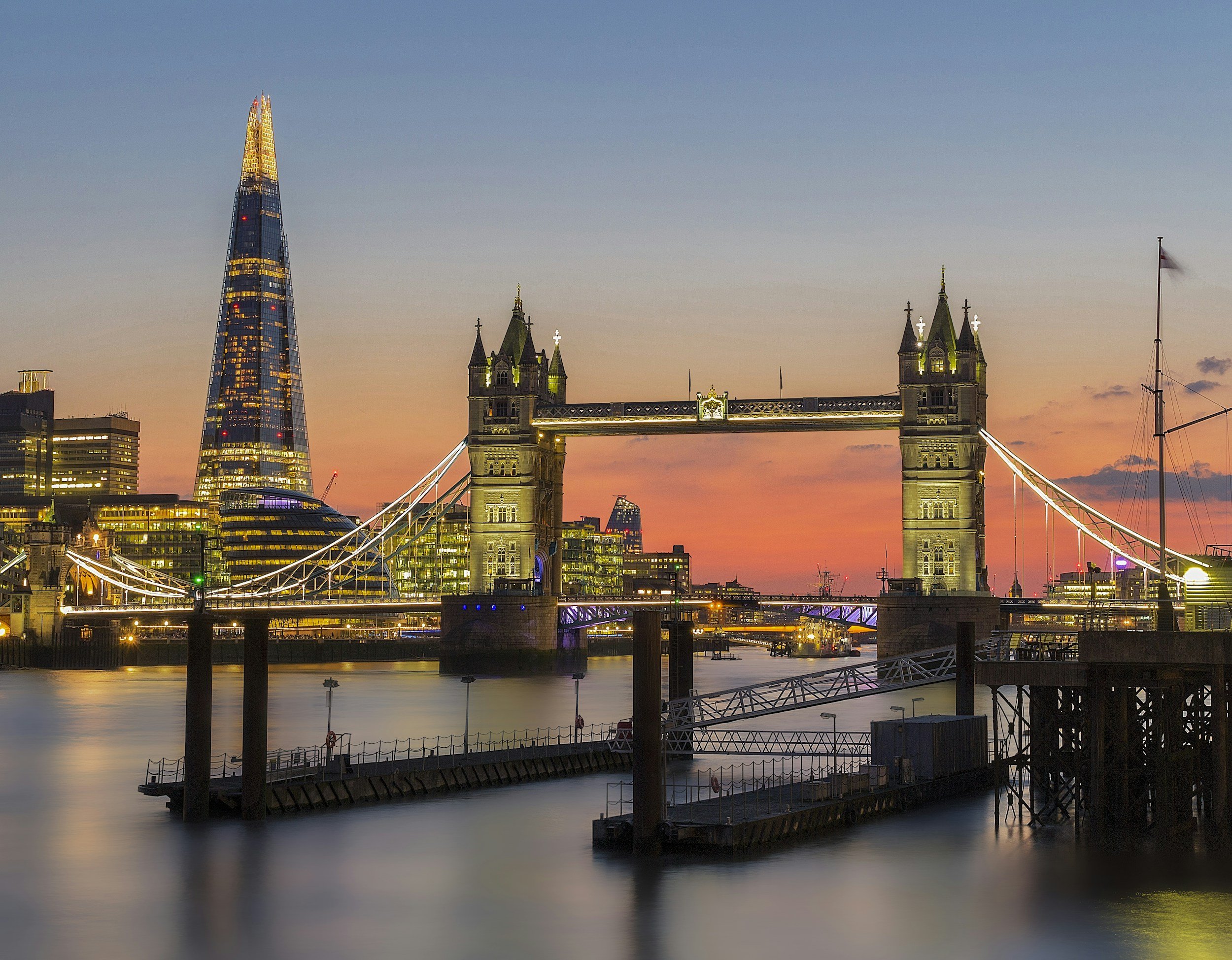
This professional guide highlights the most compelling regeneration hotspots near Nine Elms, illustrating why these areas matter for luxury buyers, investors and owner-occupiers focused on future value.
Vauxhall
Regeneration context
Vauxhall sits immediately east of Nine Elms and is undergoing an extensive transformation driven by new commercial space, upgraded public realm and a rising residential profile. The Northern Line, riverfront interventions and improved cycling routes make Vauxhall a natural extension of Nine Elms’ resurgence.
Key drivers
Major public and private investment in housing, offices and cultural space
Expansion of retail and hospitality offerings
Direct transport links, including Vauxhall station interchange
Proximity to the Thames Path and riverfront areas
Why it matters
Vauxhall’s regeneration enhances Nine Elms’ appeal by expanding high-quality residential supply and strengthening infrastructure. It represents an important gateway market for buyers who want exceptional connectivity and increasing placemaking value without the direct price premiums seen at riverfront addresses.
Battersea (Including Battersea Power Station)
Regeneration context
Battersea’s reclamation from industrial land to mixed-use neighbourhood is among the most high-profile in London. The redevelopment of Battersea Power Station itself, alongside new office campuses, retail and public space, has reshaped perceptions of south-west London living.
Key drivers
Large-scale mixed-use masterplanning
Significant office and commercial investment attracting global occupiers
Cultural anchors, destination retail and hotel offerings
Public realm enhancements and pedestrianised areas
Why it matters
Battersea punches well above its traditional weight due to the mix of employment growth and residential expansion. Its adjacency to Nine Elms means crossover demand for housing, services and lifestyle amenities. Investors often view Battersea as a next-phase growth vector that amplifies Nine Elms’ regeneration impact.
Pimlico
Regeneration context
Though not undergoing the kind of large masterplans seen immediately around it, Pimlico’s subtle renewal — driven by sensitive retrofit, small-scale infill and improved urban design — enhances its position adjacent to Nine Elms. Its Victorian and Edwardian streets offer a contrast to the newer architecture just to the south.
Key drivers
Heritage conservation with selective modern development
Quiet, walkable residential streets with strong community appeal
Improved public realm and connectivity initiatives
Close proximity to Vauxhall, Victoria and the river
Why it matters
Pimlico offers a quality alternative residential market with regeneration that respects scale and character. Luxury buyers seeking structured city living with a quieter but connected context are increasingly drawn here, making it a practical complement to Nine Elms’ contemporary dynamism.
Battersea Reach & Winstanley/York Road Estates
Regeneration context
Just south of the river and west of Nine Elms, the Battersea Reach and Winstanley/York Road estates are shifting from post-war housing estates to mixed residential neighbourhoods with improved infrastructure, landscaping and community facilities.
Key drivers
Comprehensive estate renewal programmes
Investment in green space, play areas and public realm
Strong transport access to Battersea and Clapham Junction
New housing typologies integrated with existing communities
Why it matters
These estates represent value-led regeneration hotspots that combine strong connectivity with placemaking improvements. They are attractive for a broad tenant market and owner-occupiers seeking established neighbourhood dynamics with upward momentum.
Nine Elms–Battersea Power Station Riverside Corridor
Regeneration context
The riverfront corridor between Nine Elms and Battersea Power Station is itself a regeneration engine. It blends residential, cultural, retail, and public realm strategies into a continuous urban fabric that enhances the appeal of neighbouring zones.
Key drivers
Riverside walkways and public spaces
A growing mix of hospitality and leisure anchors
Integration with broader Thames Path strategies
Connectivity improvements that stitch neighbourhoods together
Why it matters
This corridor acts as the connective tissue between multiple regeneration hotspots. Its placemaking quality elevates surrounding markets while supporting long-term demand for both living and leisure uses.
Old Oak and Park Royal (Strategic Growth Zone)
Regeneration context
Although further afield, Old Oak and Park Royal deserve mention because of one of the largest regeneration schemes in Europe. Anchored by a new high-capacity transport hub (including HS2 and Elizabeth Line connections), the area is set to deliver substantial new employment, housing and commercial activity.
Key drivers
Massive transport infrastructure investment
Commercial space attracting large-scale employers
Significant housing targets and neighbourhood renewal
Strategic planning at metropolitan scale
Why it matters
For investors focused on large horizons, Old Oak and Park Royal represent future catchment growth that radiates beyond its immediate geography. Its connectivity improvements enhance the wider London market, including southern regeneration districts like Nine Elms.
What Smart Buyers Look For in Regeneration Markets
Connectivity
Transport upgrades — whether Underground extensions, rail interchanges or active travel infrastructure — are foundational to enduring value.
Placemaker Investment
Projects that emphasise public realm, green space and mixed uses create resilient neighbourhoods that appeal to both owner-occupiers and tenants.
Diversity of Demand
Areas that attract families, professionals and international residents are more likely to sustain demand and rental performance over the long term.
Integration with Wider London Strategy
Sites that link into city-wide infrastructure and planning frameworks benefit from broader economic momentum.
Final Perspective
Nine Elms remains one of London’s most compelling regeneration success stories, but its value is amplified by the ecosystem of transforming neighbourhoods around it. Vauxhall’s emerging urbanity, Battersea’s destination placemaking, Pimlico’s quiet renewal, and the broader corridors of change — from estate renewal south of the river to strategic growth zones like Old Oak — all contribute to a richer London property landscape.
For luxury buyers and investors focused on future growth, rental resilience and lifestyle quality, understanding these adjacent hotspots is as important as knowing the standout developments within Nine Elms itself.