
Best Regeneration Zones for Luxury Apartments in London — 2026
London’s luxury property market has entered a new phase where regeneration, infrastructure investment, and mixed-use placemaking are major drivers of demand. Areas that once sat on the periphery are now achieving prime-city performance thanks to coordinated public and private investment, enhanced transport links, and lifestyle upgrades.
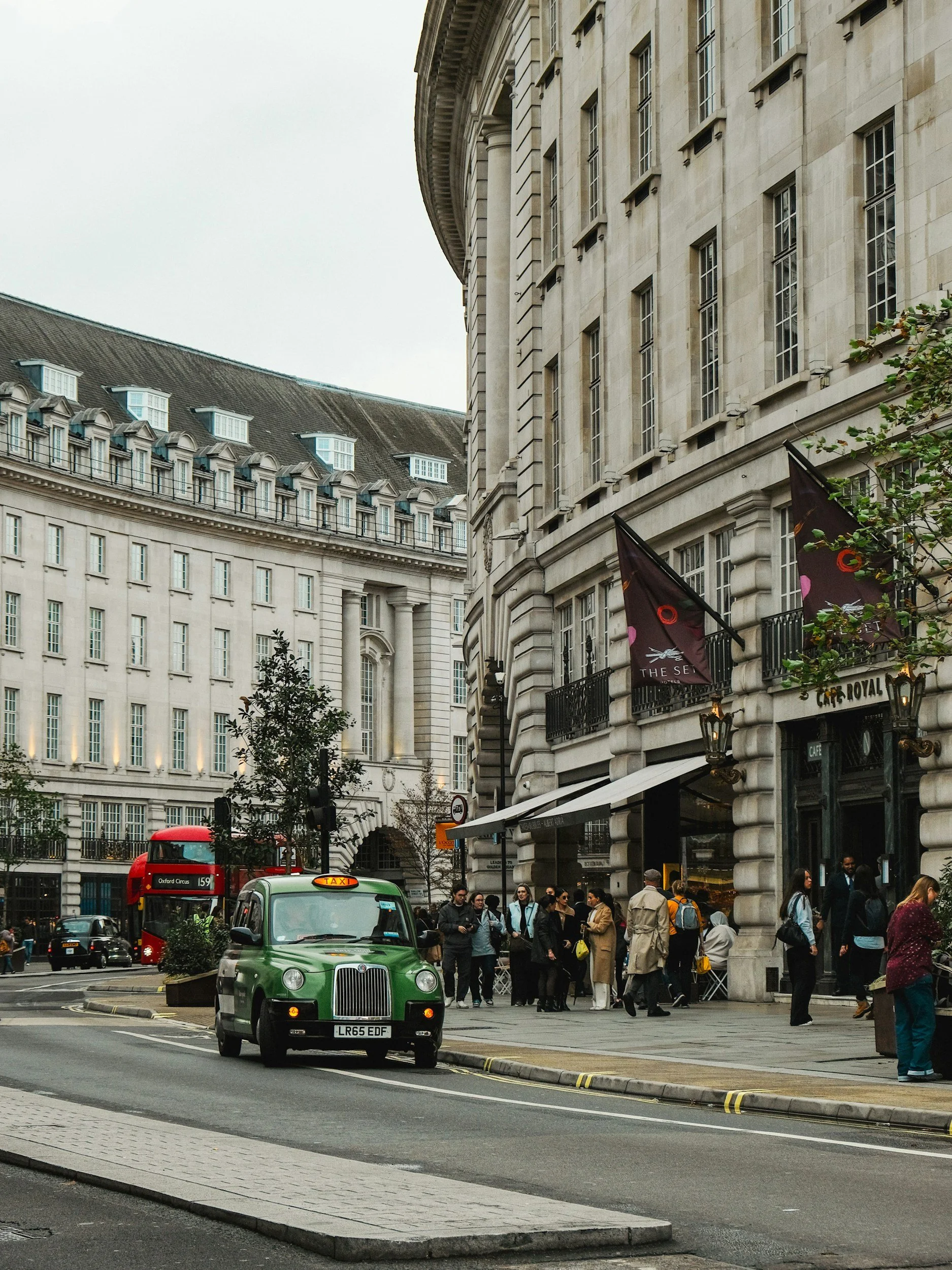
According to Savills Prime London Residential Research and Knight Frank Urban Forecasts, regeneration zones that combine amenity uplift, connectivity improvements, and high-end residential delivery are outperforming legacy submarkets in both capital appreciation and rental demand. These are the areas that are quietly transforming London’s luxury apartment landscape.
1. Battersea Power Station & Nine Elms (SW8)
Why It’s First:
One of London’s largest regeneration programmes, Nine Elms encompasses the iconic Battersea Power Station redevelopment, new commercial campuses, cultural venues, and extensive public realm enhancements. Luxury apartments here benefit from premium amenities, riverside views, and long-term corporate demand, particularly with the expansion of the Northern Line. (Source: Savills London Regeneration Analysis)
Key Drivers
Northern Line extension with multiple new stations
Major commercial relocations and global company offices
High-end retail, leisure, and riverfront placemaking
Global buyer interest and rental occupier demand
Investor Insight: Luxury apartments here have become must-have assets for yield investors and global residents alike.
2. Stratford & Olympic Park (E20)
Why It’s Strong:
Born of the 2012 Olympics, Stratford’s regeneration has catalysed one of the most dramatic shifts in London residential demand outside central zones. With the Elizabeth Line and excellent transport, Stratford and the Olympic Park remain major attractions for professional renters and luxury investors.
Key Drivers
Elizabeth Line connectivity to central and west London
Queen Elizabeth Olympic Park as a significant green and cultural asset
Westfield Stratford City and adjacent retail/dining precincts
High international tenant turnover
Investor Insight: Apartments near Stratford have become a bridge between affordability and prime-district performance.
3. Southbank & Waterloo Place (SE1)
Why It’s Emerging:
Southbank and the Waterloo regeneration corridor continue to evolve into a cultural-driven luxury residential zone. With concert halls, galleries, theatres, and improved public space, these areas increasingly appeal to international professionals, creatives, and affluent tenants who prize both connectivity and lifestyle.
Key Drivers
Proximity to major cultural institutions (Southbank Centre, National Theatre)
Waterloo transport hub
Mixed-use developments with luxury amenity packages
Strong short-stay and professional tenancy demand
Investor Insight: Regeneration here is anchored in culture and connectivity — a compelling mix for high-end renters.
4. Canary Wharf Financial District (E14)
Why It’s Resilient:
Often thought of solely as a business district, Canary Wharf’s ongoing transformation includes residential towers with luxury amenities, concierge services, and premier transportation via the Elizabeth Line, DLR, and Jubilee Line. Its regeneration momentum is linked to the corporate ecosystem and housing demand for professionals.
Key Drivers
Concentration of global financial, tech, and legal employment
Integrated retail and leisure precincts
Waterfront living with modern high-rise luxury apartments
Strong short- to mid-term rental demand
Investor Insight: This is a rare example where employment growth and residential product move in tandem.
5. Acton & East Acton (W3)
Why It’s Underrated:
Acton’s transformation has largely flown under the luxury radar, but Elizabeth Line connectivity and significant residential delivery have changed fundamentals. While still more affordable than central London postcodes, Acton and East Acton now attract professionals who prioritise transport access and value-added living.
Key Drivers
Elizabeth Line access to Paddington, Bond Street, Canary Wharf
Proximity to Westfield and retail hubs
High proportion of newly built amenity-rich apartments
Strong rental prospects from mobile urban professionals
Investor Insight: A compelling blend of value, connectivity, and growth potential.
6. Earl’s Court / West Kensington Redevelopment (RBKC)
Why It’s Strategic:
Regeneration around Earl’s Court and West Kensington is one of London’s longest-planned urban renewal initiatives. Large land parcels, enhanced transport plans, and a focus on mixed-use placemaking make this corridor attractive for future luxury apartments.
Key Drivers
Large masterplan footprint with phased delivery
Proximity to Kensington, Chelsea, and Hammersmith
Anticipated demand from families, professionals, and international buyers
Improved public realm and green space planning
Investor Insight: Though still in phased delivery, this area is strategically placed for future capital uplift.
7. Deptford & New Cross (SE8 / SE14)
Why It’s Up-and-Coming:
Deptford and New Cross combine culture, connectivity, affordability, and creativity. With Overground links and proximity to Greenwich, this regeneration zone is attracting tenants and buyers seeking a mix of lifestyle and access to central London employment nodes.
Key Drivers
Overground access to Shoreditch and Canary Wharf
Emerging local shopping and cultural scene
Attractive pricing relative to inner London
Growth in café, gallery, and independent retail footprints
Investor Insight: Often overlooked, this corridor excels in long-term rental demand and community-driven growth.
8. Ealing Broadway & Southall Corridor (W5 / UB1)
Why It’s Worth Watching:
Significant infrastructure upgrades — particularly the Elizabeth Line — have transformed Ealing and nearby Southall into connective hubs. New builds here offer space, modern specification, and far better transport than legacy prices imply.
Key Drivers
Elizabeth Line connectivity to Heathrow and West End
Major regeneration and public realm investments
Family and professional rental demand
Better value per square foot than inner zones
Investor Insight: A broader demographic appeal supports both rental take-up and pricing resilience.
What Defines a Winning Regeneration Zone in 2026
Across Savills and Knight Frank analysis, the most compelling areas share these characteristics:
1. Transport Uplift
Elizabeth Line, Overground, and station upgrades feature heavily in zones that outperform on rental occupancy and capital growth.
2. Mixed-Use Development
Areas that blend residential with leisure, retail, culture, and office space sustain demand better than siloed housing-only corridors.
3. Employment Density
Regeneration areas anchored by jobs — whether financial services, tech, or creative industries — deliver consistent tenant pools.
4. Scarcity and Phasing
Limited future supply and phased rollout of new apartments prevent saturation, preserving pricing power and yield.
Market Outlook: Regeneration and Luxury Demand
Prime London property research confirms two long-term themes:
Regeneration continues to shift the centre of gravity, expanding prime tastes beyond traditional core postcodes.
New build apartments tied to infrastructure improvements routinely demonstrate stronger rental demand and price acceleration over a 5–10 year horizon compared to static prime stock.
Savills notes that transport-linked regeneration areas, when coupled with amenity depth and strong design specification, consistently outperform on both occupancy and capital performance. Knight Frank’s urban forecasts echo this view, underscoring the premium buyers place on connected, live-work-play environments.
Final Thoughts
In 2026, the best regeneration zones for luxury apartments in London are no longer hidden — but many remain underappreciated by the wider market. Battersea Power Station, Stratford, Southbank, and Canary Wharf sit alongside value-rich underdogs like Acton, Deptford, and Ealing, each offering distinct rental and growth dynamics.
Whether you prioritise rental yield, capital resilience, or lifestyle appeal, these regeneration zones present compelling reasons to invest in new build luxury apartments — not just for tomorrow’s returns, but for the next decade of London’s evolution as a global city.
Sources Referenced
Savills Prime London Residential Research
Knight Frank Urban Forecasts
UK Land Registry Residential Market Trends