
How Luxury Developers Create Urgency Before Launch
In luxury new build developments in London, demand does not appear organically at launch. It is engineered in advance. In Prime Central London—Mayfair, Knightsbridge, Belgravia, Kensington and Chelsea—developers use controlled pre-launch strategies to create urgency, shape perception and ensure early sales momentum.
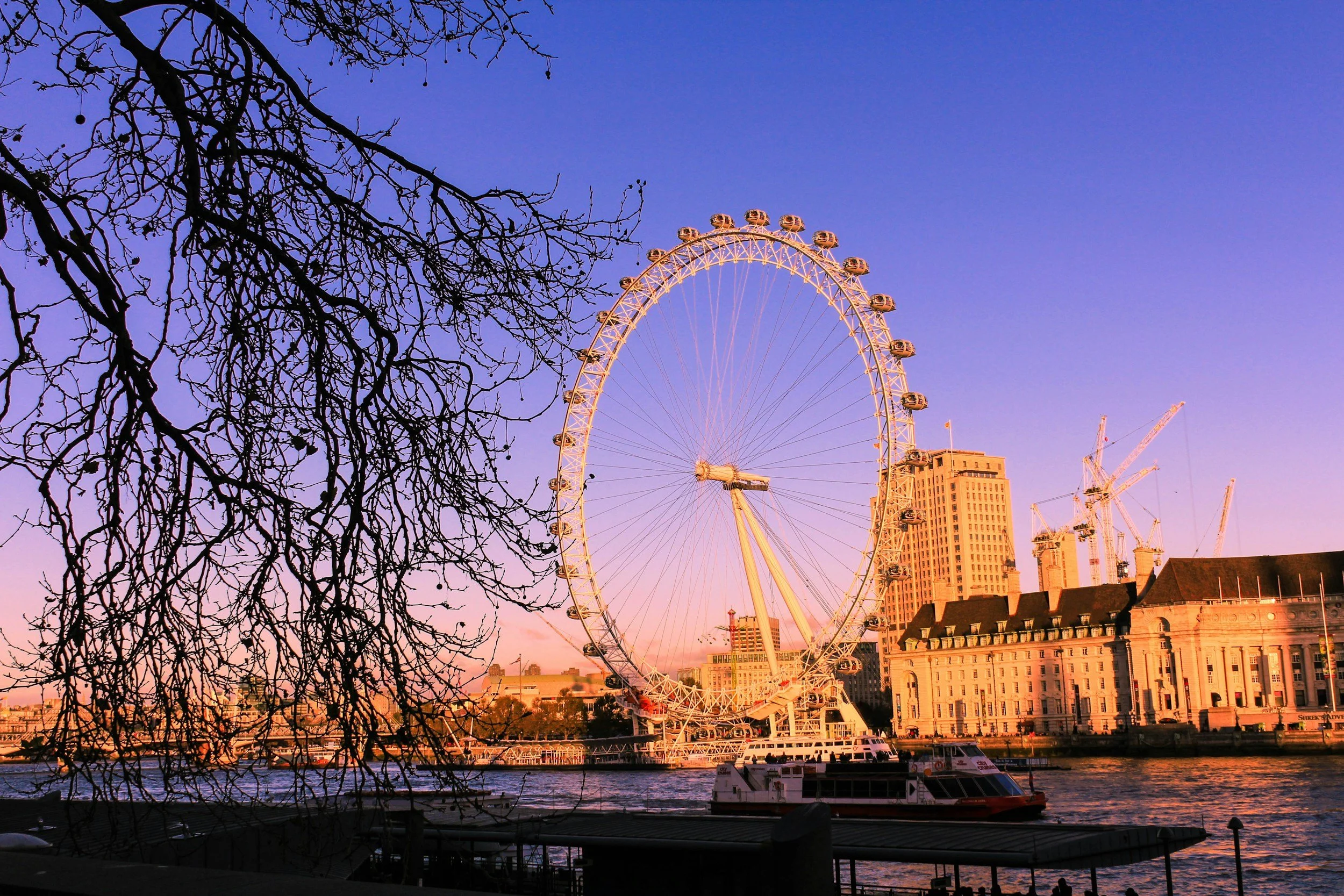
This urgency is not accidental. It is a structured process designed to make buyers feel they are accessing limited opportunities before the wider market. For buyers in prime London property investment, recognising these tactics is essential to separating genuine scarcity from manufactured pressure.
Controlled Information Release
Developers do not disclose full details upfront.
Instead, they release information in stages:
initial concept without pricing
selective unit details to targeted buyers
full availability only close to launch
This creates:
anticipation
perceived exclusivity
information asymmetry
Buyers feel they are accessing something not yet widely available.
Private Previews to Selected Buyers
Before public launch, developers organise:
private viewings
invitation-only presentations
early access briefings through agents
These are limited to:
high-value clients
repeat buyers
well-connected advisors
This selective access creates a tiered market, where early participants feel privileged and later buyers feel they are behind.
Early Registration and Waiting Lists
Developers actively build demand pipelines before launch.
This includes:
registration of interest lists
priority access tiers
soft expressions of interest
Buyers are often told:
“limited units will be available at launch”
“priority will be given to registered clients”
This creates psychological pressure to commit early.
Soft Reservations Before Official Release
In some cases, units are informally reserved before launch.
These “soft reservations”:
are not always publicly disclosed
reduce visible inventory
create the impression of strong early demand
By the time of official launch, a portion of the best units may already be allocated.
This reinforces urgency among remaining buyers.
Strategic Scarcity Messaging
Developers deliberately emphasise scarcity.
Common positioning includes:
limited number of units
unique features (terraces, views, layouts)
“one-time opportunity” language
In ultra prime London apartments, where supply is genuinely constrained, this messaging is credible—but still amplified.
Scarcity drives faster decision-making.
Pricing Signals Before Launch
Developers often hint at pricing without confirming it.
This may include:
indicative price ranges
selective disclosure of premium unit pricing
comparison to nearby developments
The effect is:
anchoring buyer expectations
creating fear of price increases at launch
encouraging early commitment
Buyers are led to believe that delaying may result in higher costs.
Use of Influential Intermediaries
Developers rely heavily on:
top-tier estate agents
buying agents
private banks and wealth managers
These intermediaries:
validate the development
communicate demand signals
reinforce urgency through trusted channels
In prime London property, buyers often act based on advisor recommendations rather than public information.
Phased Release Narratives
Before launch, developers communicate that:
only a portion of units will be released initially
prices will increase in later phases
This creates a time-based pressure:
buy now or risk higher prices later
Even if pricing increases are gradual, the perception of escalation drives early demand.
Visual and Brand Positioning
High-quality marketing is used to reinforce urgency.
This includes:
architectural visuals
lifestyle positioning
association with prestige locations
In developments across Mayfair or Knightsbridge, branding is used to signal that the opportunity is limited and high-value.
This shifts buyer mindset from evaluation to acquisition.
Market Insight: Pre-Launch Behaviour in Prime Central London
According to Savills and Knight Frank, a significant proportion of sales in luxury developments in London occur before or immediately at launch. Early-stage demand is often driven by:
international investors
repeat buyers
advisor-led introductions
This reinforces the effectiveness of pre-launch urgency strategies.
Conclusion
Luxury developers create urgency before launch through controlled access, selective information and structured demand-building.
The key mechanisms include:
limiting visibility
prioritising early buyers
reinforcing scarcity and pricing momentum
For buyers, the implication is clear:
Not all urgency is real.
But some of it is.
In prime London property investment, the correct response is not to react to pressure, but to analyse:
whether the unit justifies the urgency
whether pricing aligns with the market
whether the opportunity is genuinely scarce
Urgency should accelerate decision-making only when the fundamentals are already sound.