
How to Choose Between Prime Central and Prime Fringe Areas
A strategic framework for London buyers deciding where value, lifestyle, and resilience truly align
Choosing between Prime Central London (PCL) and Prime Fringe is not a question of prestige versus compromise. It’s a decision about how you want your capital and your life to behave over time. Both can be excellent buys. Both can be mistakes—if chosen for the wrong reasons.
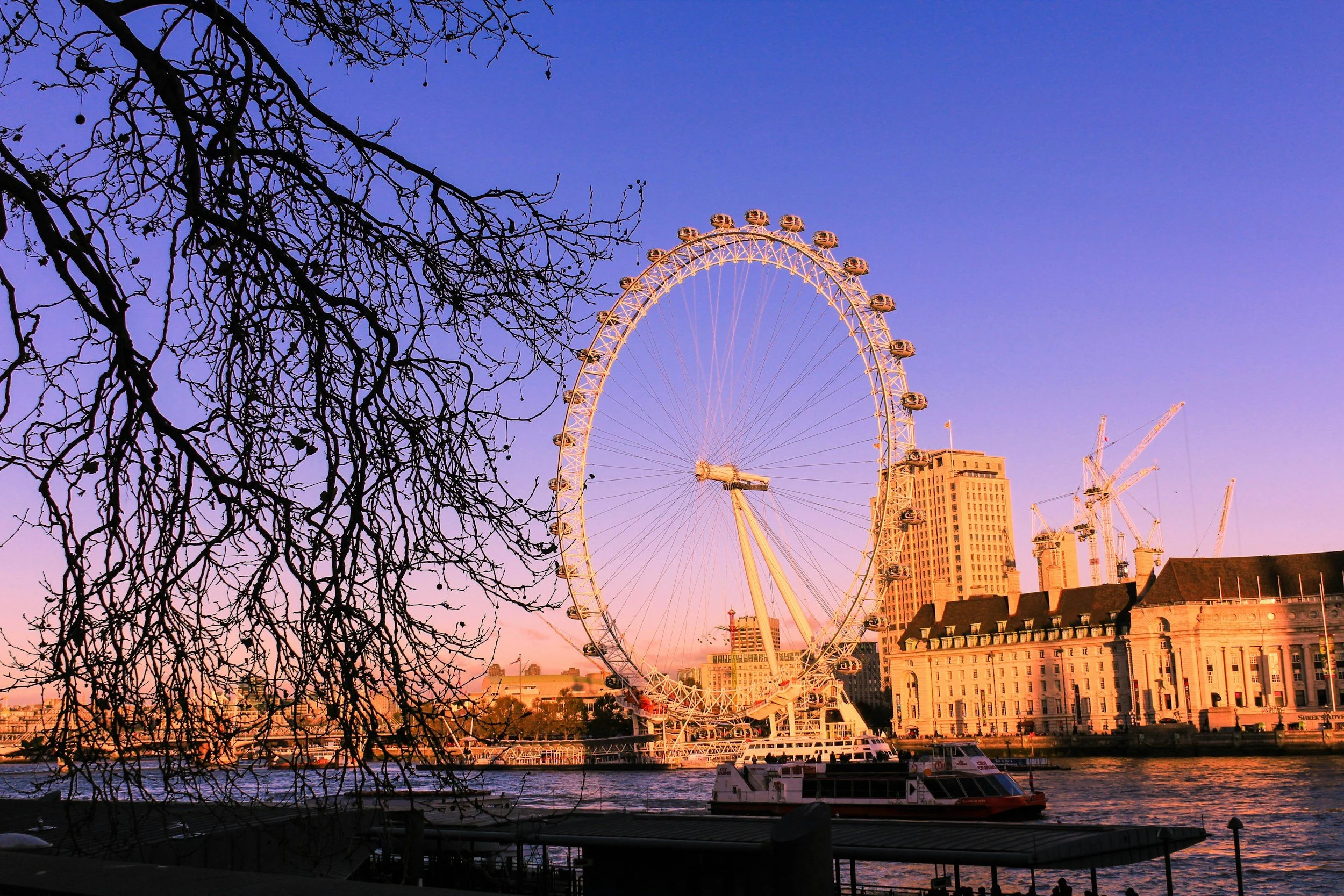
Here’s how sophisticated buyers make the call.
1. Define what “prime” means to you—before the postcode does
Prime Central (think historic cores) trades on heritage, liquidity, and global recognition. Prime Fringe trades on space, modernity, and lifestyle depth.
Ask yourself:
Do I value walkability to clubs, retail, and culture—or daily calm and space?
Is this a pied-à-terre, a family base, or a long-term hold?
Am I optimising for resale speed or for living quality?
Clarity here prevents expensive second thoughts.
2. Liquidity vs. growth potential
Prime Central tends to offer:
Faster resale in all markets
Deep international buyer pools
Price stability in downturns
Prime Fringe tends to offer:
Better entry value per square foot
Stronger medium-term growth when regeneration matures
More upside from new infrastructure and amenities
If you prioritise capital preservation, lean central.
If you prioritise capital appreciation, lean fringe—selectively.
3. Space, light, and outdoor living
This is where the gap widens.
Prime Central often means:
Smaller footprints
Period layouts
Limited outdoor space
Prime Fringe more often delivers:
Larger floorplates
Modern layouts
Terraces, balconies, riverside or park access
If daily comfort matters more than address cachet, the fringe can feel like a genuine upgrade.
4. New build quality and running costs
Prime Fringe generally offers newer stock with:
Better energy efficiency
Modern soundproofing and ventilation
Amenities bundled into the building
Prime Central often involves:
Conversions with charm—and quirks
Higher maintenance uncertainty
Fewer shared amenities but potentially lower service intensity
Decide whether you prefer character with complexity or modernity with management.
5. Lifestyle reality, not lifestyle mythology
Prime Central shines for:
Short stays
Business travel
Cultural access
Prime Fringe excels for:
Families
Pets and green space
A calmer daily rhythm
Be honest about how you’ll live Monday to Friday—not how the address sounds at dinner.
6. Schools, community, and longevity
Buyers planning beyond five years often lean fringe.
Why:
Stronger school catchments
Village-like neighbourhoods
Community continuity
Prime Central can feel transient; Prime Fringe can feel rooted. Choose accordingly.
7. Risk management in changing markets
In softer markets:
Prime Central tends to hold value better
Prime Fringe can see sharper pricing adjustments—both down and up
Your risk tolerance matters. Stability seekers lean central. Opportunity seekers lean fringe.
8. The hybrid strategy many buyers miss
Some of the best outcomes come from buying prime fringe that behaves like prime central.
Look for areas with:
Immediate transport connectivity
Established amenities (not just promised ones)
Limited future supply
Proven end-user demand
These locations blur the line—and often outperform expectations.
Decision shortcuts (use them honestly)
Short-term, global, discreet: Prime Central
Long-term, liveable, space-led: Prime Fringe
Capital protection first: Prime Central
Growth with patience: Prime Fringe
Final Perspective
The smartest London buyers don’t ask, “Which is better?”
They ask, “Which aligns with my time horizon, lifestyle, and risk profile?”
Prime Central offers certainty.
Prime Fringe offers possibility.
Choose the one that works while you’re living in it—and while you’re leaving it.