
Is a Home with a Private Parking Space or Garage Worth the Extra Cost in London?
In London’s high value residential market, private parking and garages are more than conveniences. They are strategic assets that can affect lifestyle appeal, rental demand, and long term value. With property prices and space at a premium, buyers often ask whether paying extra for dedicated parking makes sense.
This article explores the realities behind the numbers, market behaviour, and futureproofing considerations for homes with private parking or garages in London.
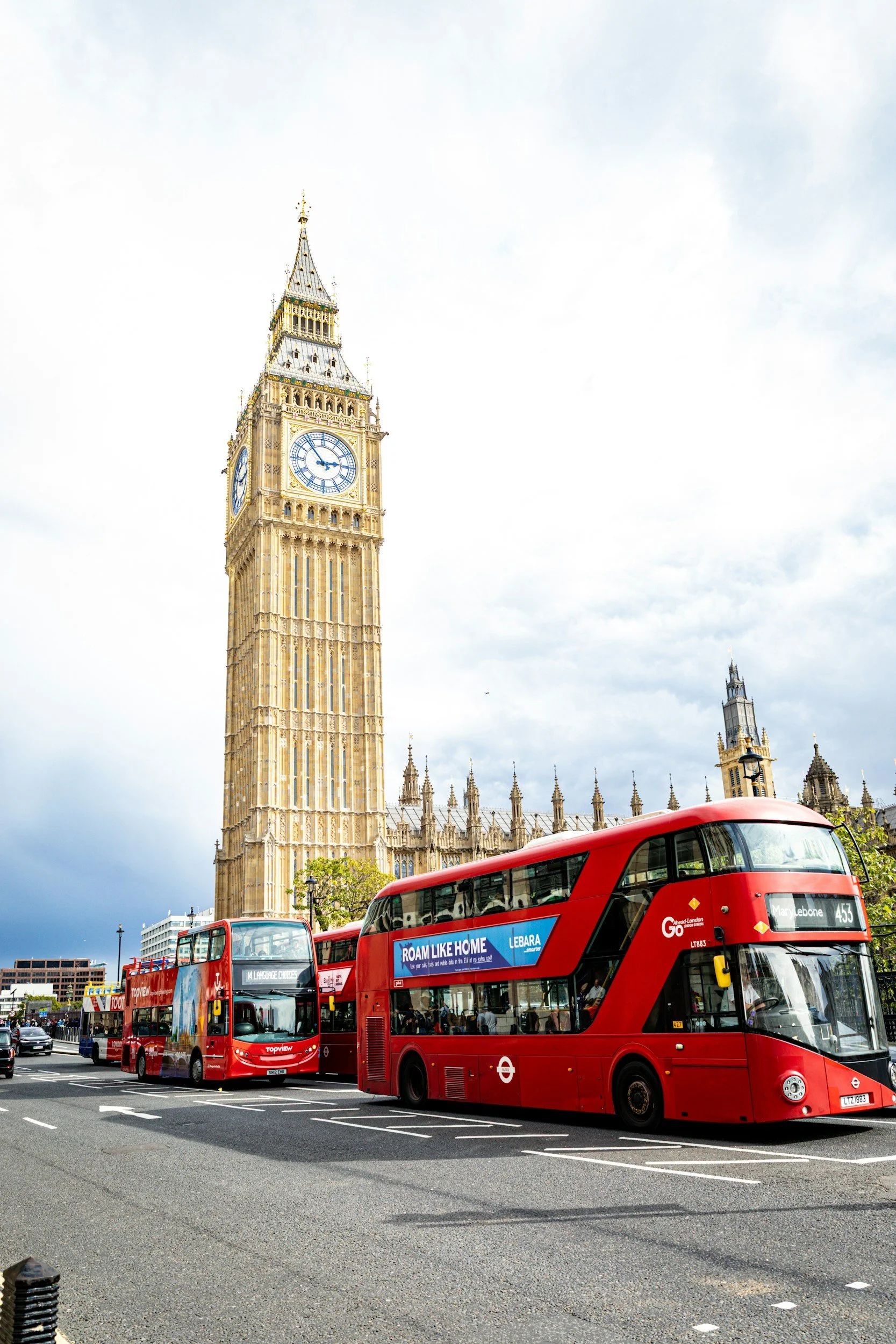
Why Parking Matters in the Capital
London is a city defined by density. Limited road space, controlled parking zones, and rising congestion make vehicle ownership in central and inner boroughs challenging. For affluent buyers and investors, off-street parking isn’t just practical — it can signal exclusivity.
According to UK National Travel Survey data, while overall car ownership in London remains below national averages, a significant proportion of outer London households still own at least one vehicle. In prime areas where convenience outweighs congestion, the demand for private parking persists.
The Value Premium for Parking
Homes with private parking or garages in London typically command a price premium. For buyers who prioritise convenience, security, and certainty of space, this premium can be justified.
Recent sales analyses from London borough markets show that properties with dedicated parking can achieve between 5 and 15 per cent higher value compared to similar properties without. The uplift is most pronounced in areas where kerbside parking is restricted or costly, such as Kensington, Chelsea, Notting Hill, and parts of West London.
This premium reflects both lifestyle convenience and future resale perception.
Practical Benefits Buyers Appreciate
Guaranteed Space, Every Day
In controlled parking zones, residents without permits often spend considerable time seeking space. Private parking eliminates this friction.
Enhanced Security
Off-street parking or a garage offers protection from theft, vandalism, and weather damage, a real plus for luxury buyers who often own high-end vehicles.
Rental Appeal
For investors, properties with parking can command higher rents and attract a broader tenant pool. Data from rental markets indicate that tenants are willing to pay a premium for assured parking access, particularly in outer and suburban London where commuting by car is more common.
Added Storage and Flexibility
Garages often double as storage or utility spaces. Buyers see this as added usable area beyond the official floor plan.
When It Might Not Be Worth the Extra Cost
Despite clear benefits, parking isn’t universally a value driver.
Central London Flats with Strong Transport Access
In areas with frequent public transport and limited car dependency, the premium can be muted. Buyers who never intend to use a vehicle may not see value in paying more for parking they will not use.
High Service Charges for Bays in Shared Developments
In some luxury apartment blocks, dedicated parking comes with significant service charges. Over time, these ongoing costs can erode the perceived benefit.
Leasehold and Title Restrictions
Some parking bays or garage spaces are sold with complex lease arrangements. Buyers must ensure ownership rights are clear and align with the property title.
Investment and Resale Considerations
From a long term perspective, parking can support resale value, particularly in areas where private space is scarce and public parking is tightly controlled. In outer prime and commuter-friendly zones, parking is often a tiered differentiator that elevates one property above its peers.
However, in hyper-central areas served by robust public transport, the resale advantage may be less pronounced. Buyers here often prioritise walkability, transport links, and lifestyle amenities over vehicle access.
Practical Questions to Ask Before You Pay More
Before committing to the premium for parking, consider:
• How easy is it to obtain resident permits in the area?
• Are there existing traffic or pedestrian plans that could change parking demand?
• What are the annual costs attached to the space?
• Is the parking freehold or leasehold, and how many years remain?
• Does the space genuinely add functionality you will use?
A meticulous solicitor and local surveyor can uncover hidden costs or lease peculiarities that affect value.
So, Is It Worth It?
For many London buyers and investors, the answer is yes — but with context.
Private parking or a garage can enhance daily convenience, attract stronger rental income, and signal a higher tier of property offering in markets where space is scarce.
Yet the value should be measured against personal use, transport options, ongoing costs, and strategic objectives. In areas with excellent public transit and minimal car dependency, paying a premium may deliver more emotional satisfaction than tangible financial return.
As with all prime London property decisions, value lies not just in the asset itself but in how it fits your lifestyle and investment goals.