
Luxury Property in London: The 2025 Guide to Prime Living
London’s luxury property market is a world of elegance, heritage and innovation — a city where Georgian terraces meet glass-clad penthouses, where private garden squares sit minutes away from global finance, fashion and culture.
For high-net-worth buyers, investors and families, luxury property in London represents not just a home, but a lifestyle and a long-term asset with global appeal.
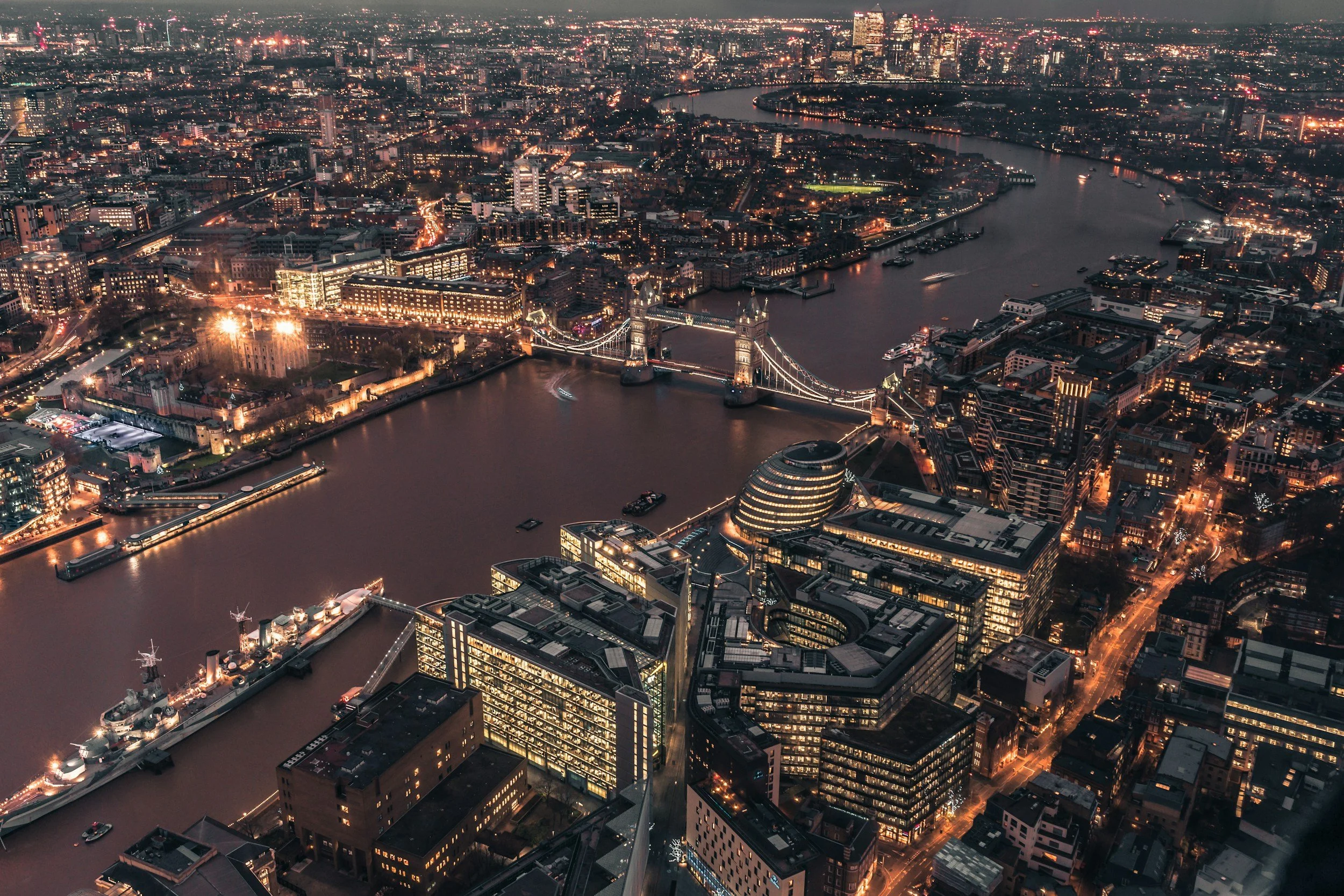
Here’s a polished, research-backed guide to understanding London’s luxury market today.
1. What Defines Luxury Property in London?
Luxury in London is shaped by:
Location — proximity to Hyde Park, Regent’s Park, the Thames, cultural institutions and historic squares.
Architecture — Georgian, Regency, Victorian townhouses; mansion blocks; contemporary super-prime towers.
Privacy & security — concierge buildings, gated developments, private elevators, secure parking.
Amenities — wellness suites, pools, private cinemas, wine rooms, rooftop terraces.
Global desirability — London remains a safe-haven city for international wealth.
According to multiple prime-market studies, properties in London’s most prestigious postcodes continue to deliver long-term resilience, even during national market volatility.
Source: Prime Central London Market Review, 2024
2. The Most Sought-After Luxury Neighbourhoods in London
Mayfair
Elegant, refined and globally recognised. With its Georgian squares, Michelin dining and proximity to Hyde Park, Mayfair sits at the pinnacle of London luxury.
Source: Prime London Lifestyle Index, 2024
Knightsbridge
Home to iconic retail, ultra-prime apartments and some of the most secure developments in Europe.
Source: Luxury Residential Market Tracker, 2024
Belgravia
Whisper-quiet streets, white-stucco terraces and understated grandeur.
Source: London Residential Stability Report, 2024
Chelsea
Artistic, fashionable and village-like, with strong family appeal and charming townhouses.
Source: Central London Buyer Trends Survey, 2024
Kensington
Large period homes, leafy squares and cultural landmarks — a long-time favourite for international families.
Source: Family Buyer Insights, 2024
Marylebone
Boutique living with village charm, high-end restaurants and stylish mansion blocks.
Source: Central London Lifestyle Trends Report, 2024
Notting Hill
Chic, colourful and creative, offering both romantic crescents and luxury modern conversions.
Source: West London Residential Analysis, 2024
3. What Types of Luxury Properties London Offers
Heritage Townhouses
Often freehold, set over 4–6 floors, with period façades and modern interiors.
Mansion Flats
Elegant apartments in Victorian or Edwardian blocks with porter service.
Super-Prime New Builds
High-rise or boutique developments offering pools, gyms, spas, lounges and hotel-style living.
Penthouses
Panoramic views, private terraces, lift access and bespoke interiors.
Gated Communities & Mews Houses
Quiet, secure enclaves offering privacy in the heart of the city.
London’s diversity is unmatched — every neighbourhood delivers a unique architectural and lifestyle experience.
4. Who Buys Luxury Property in London?
London attracts a mixture of:
high-net-worth domestic buyers seeking stability
international families relocating for education or business
investors hedging against global volatility
tech entrepreneurs, creatives and finance professionals
overseas buyers diversifying portfolios
International demand remains a major force: one recent study showed over 40% of luxury buyers in Prime Central London have global backgrounds.
Source: International Buyer Demand Report, 2024
5. What Drives London’s Luxury Market?
1. Education
Access to top private schools significantly influences buyer preferences.
Source: Independent Schools Influence Index, 2024
2. Safe-Haven Appeal
Political stability, legal transparency and strong property rights attract foreign investment.
Source: Global Cities Wealth Migration Study, 2024
3. Limited Supply
Many prime neighbourhoods have heritage protection, creating scarcity.
Source: Prime Development Pipeline Study, 2024
4. Lifestyle
World-class arts, shopping, culinary culture and connectivity.
5. Long-Term Growth
Luxury properties outperform mainstream markets over extended periods.
Source: Prime London Price Performance Report, 2024
6. Key Trends in London’s Luxury Property Market, 2025
Rise of “Turnkey Luxury”
Buyers increasingly want fully finished, move-in-ready homes with curated interiors.
More Off-Market Transactions
Discretion matters — over 20% of luxury sales occur quietly, through private networks.
Source: Prime Off-Market Transactions Study, 2024
Sustainability Demand
Eco-technology, energy-efficient retrofits and sustainable design are becoming essential.
Amenities as Standard
Concierge, co-working lounges, gyms and wellness centres are now expected.
International Buyer Return
As global conditions stabilise, London continues to attract renewed overseas interest.
7. How to Buy Luxury Property in London (Strategically)
1. Work with a Prime Specialist
Choose an agent or property finder who handles off-market deals and understands micro-neighbourhood nuances.
2. Prioritise Location Over Size
In luxury London, the postcode drives long-term value.
3. Check Development Pipelines
A scarcity of new stock often signals strong future appreciation.
4. Consider School Proximity
For families, this is often the most decisive factor.
5. Budget for Extras
Service charges, concierge fees, parking and renovations vary by property type.
Final Thoughts: London Is the Capital of Luxury Living
London’s luxury property market is a tapestry of history, elegance and innovation. Whether you dream of a Knightsbridge penthouse, a Belgravia townhouse or a Notting Hill designer home, the city offers a level of lifestyle and investment quality few places can match.
Luxury in London isn’t just about where you live- it’s about joining a legacy of excellence.