
What Features Age Well in London Homes
Longevity in prime residential property is rarely accidental. London’s housing market has experienced repeated architectural trends, regulatory shifts, and generational changes in buyer preferences. Yet certain features consistently preserve desirability, liquidity, and pricing resilience. These attributes succeed not because they follow fashion, but because they align with structural human preferences and functional utility.
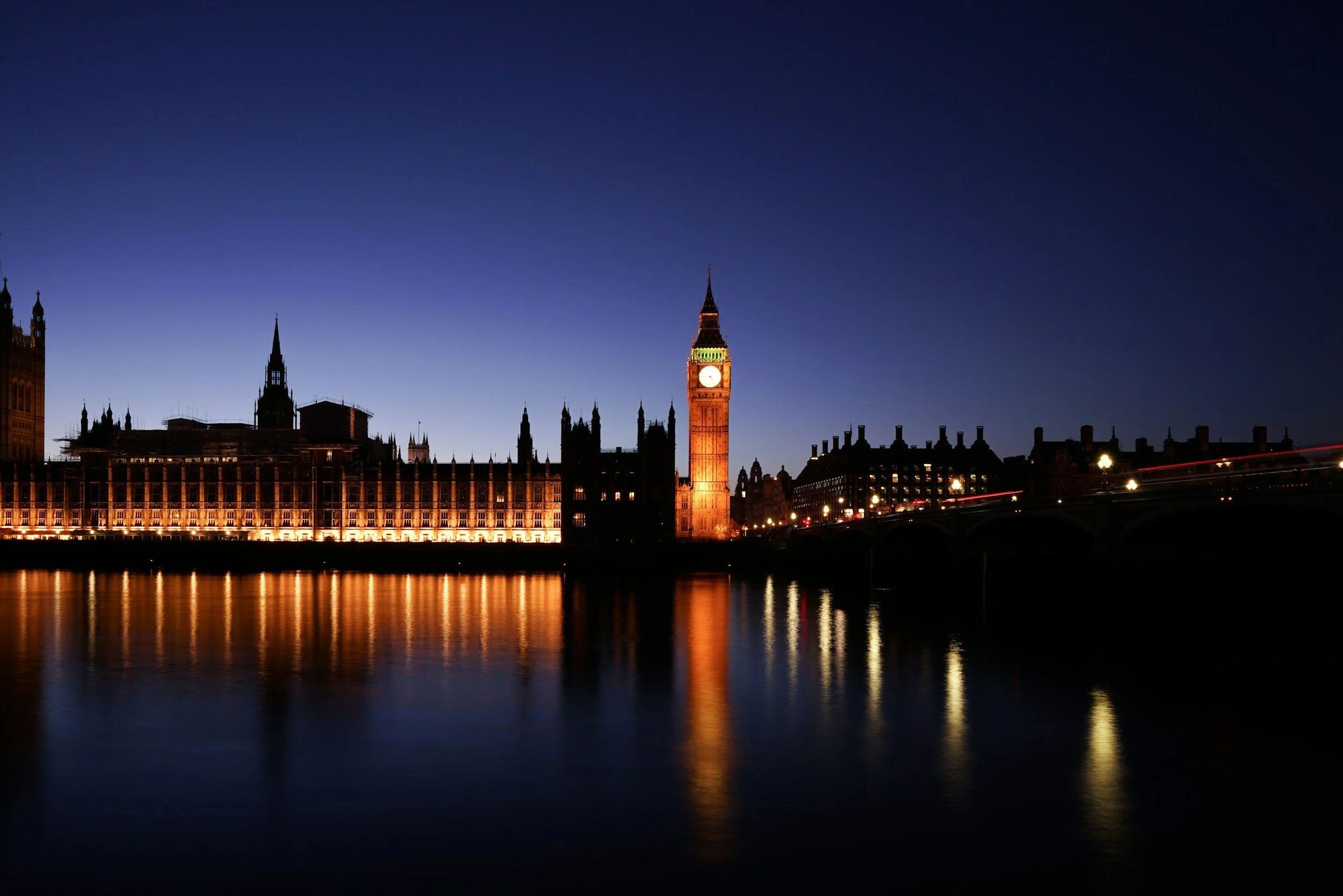
Insights drawn from Knight Frank and Savills analyses suggest that homes retaining long term appeal typically exhibit characteristics resistant to obsolescence, cultural volatility, and technological displacement.
1. Strong Natural Light and Favourable Orientation
Daylight remains one of the most persistent determinants of perceived quality across buyer profiles. Unlike stylistic elements, light does not age. It influences wellbeing, visual comfort, and spatial perception irrespective of interior design trends.
Savills’ prime residential research repeatedly identifies brightness and orientation as central to both purchase decisions and resale performance. Artificial enhancements cannot fully substitute for natural illumination.
2. Balanced Proportions and Ceiling Height
Spatial comfort is governed as much by volume as by floor area. Generous ceiling heights and well proportioned rooms produce enduring psychological appeal. They allow design flexibility, enhance light diffusion, and mitigate the sense of confinement associated with dense urban living.
Knight Frank’s observations across London’s prime districts consistently show buyer preference for volumetric generosity over purely decorative refinement.
3. Functional Layouts With Adaptable Zoning
Layouts that accommodate multiple lifestyle configurations demonstrate superior longevity. Clear circulation logic, practical room relationships, and flexibility for evolving work and living patterns protect against functional obsolescence.
Highly stylised or unconventional arrangements often compress future buyer pools. Savills frequently notes that spatial adaptability sustains demand across market cycles.
4. Quality Materials That Mature Rather Than Date
Certain materials exhibit favourable ageing characteristics. Natural stone, hardwood, brass, and high grade plasterwork tend to develop patina rather than deterioration. By contrast, trend driven finishes may feel visually obsolete within short horizons.
Durable materiality contributes to both maintenance stability and aesthetic endurance. London’s period housing stock illustrates this principle repeatedly.
5. Acoustic Insulation and Environmental Comfort
Noise sensitivity remains constant across generations. Effective sound insulation, favourable positioning within buildings, and protection from urban disturbances materially influence long term satisfaction.
Knight Frank’s buyer behaviour commentary often highlights sensory comfort as an under recognised but decisive factor in resale dynamics. Environmental friction accelerates perceived ageing.
6. Architectural Restraint and Design Neutrality
Homes characterised by restrained architectural frameworks tend to outlast those anchored to strong stylistic signatures. Neutral spatial envelopes allow successive owners to reinterpret interiors without structural conflict.
Savills’ design analyses frequently emphasise that excessive personalisation narrows long term marketability. Versatility supports durability.
7. Location Fundamentals and Urban Permanence
Certain external variables age exceptionally well. Proximity to established transport networks, protected green spaces, and architecturally stable streetscapes preserves demand independent of interior evolution.
Knight Frank’s long horizon London studies consistently show that location certainty and neighbourhood continuity exert dominant influence on value retention.
Conclusion: Durability Emerges From Fundamentals, Not Fashion
Features that age well in London homes share a common logic. They are anchored in light, proportion, flexibility, material quality, and environmental comfort rather than transient design movements. In a globally competitive city where buyer demographics evolve continuously, enduring desirability is created by attributes that remain functionally and psychologically relevant across decades.
Prime residential longevity is ultimately a consequence of structural appeal. What satisfies fundamental human preferences rarely becomes obsolete.