
What Makes a Property a Trophy Home and Why Do UHNW Buyers Pay a Premium
In the uppermost tier of the global property market, certain homes exist beyond conventional definitions of value. They are not bought for yield, necessity or even comfort alone. They are acquired as symbols of achievement, taste and positioning. These are known as trophy homes.
In London, trophy homes occupy a rarefied space within the ultra prime market. They command premiums that often defy traditional valuation logic, yet continue to attract intense interest from ultra high net worth buyers.
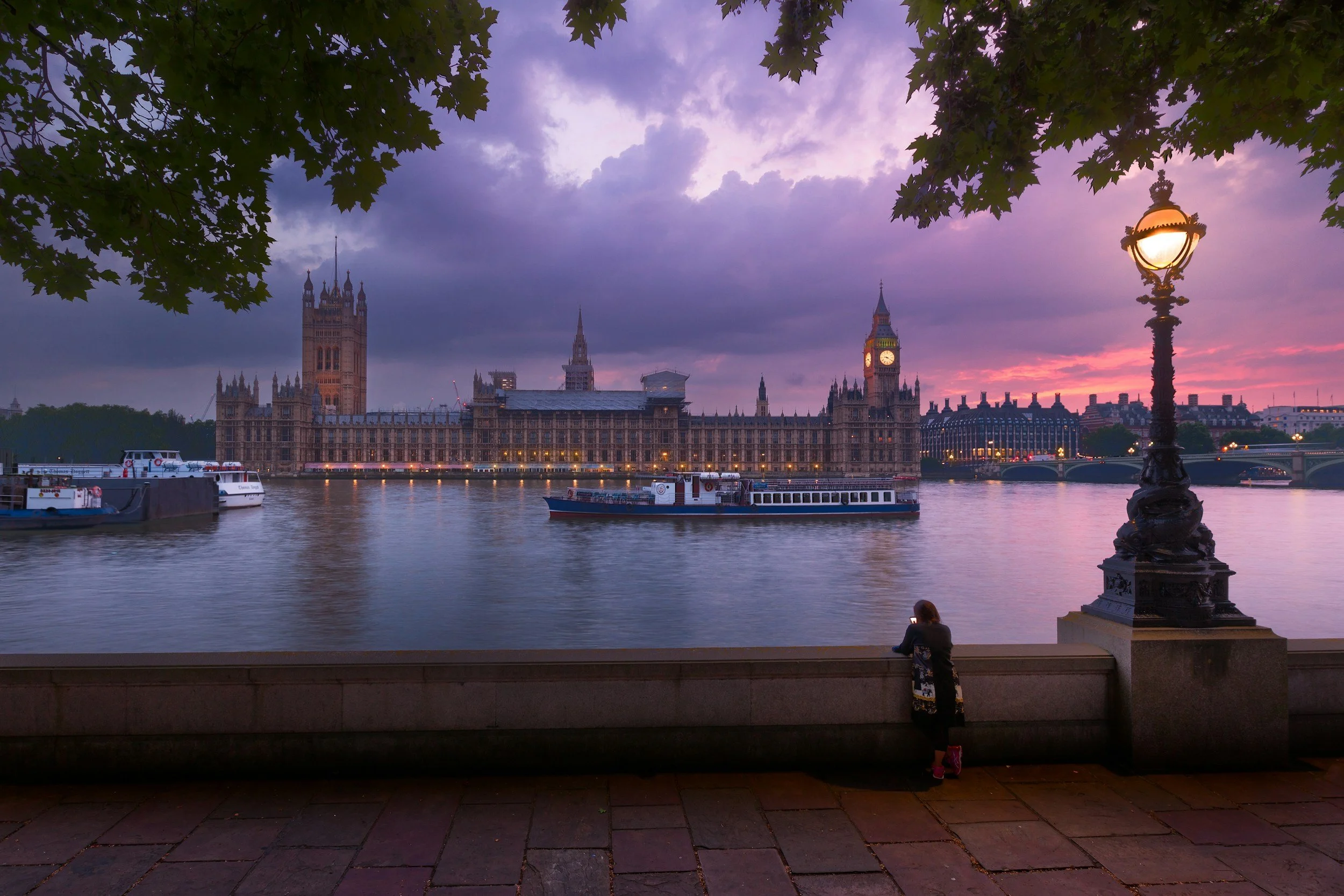
So what truly defines a trophy home, and why are UHNW buyers willing to pay significantly more to own one?
Defining a Trophy Home Beyond Price
A trophy home is not defined solely by its price tag. Many expensive properties do not qualify.
Instead, a trophy home is characterised by a convergence of factors that together create something irreplaceable.
These typically include:
Extreme rarity
Unrepeatable location or outlook
Architectural or historical significance
Exceptional scale or proportion
Global recognisability within elite circles
According to commentary from Knight Frank and Savills, trophy homes sit at the very top of the desirability curve, often appealing to a global rather than local buyer pool.
They are assets that cannot be replicated, even with unlimited capital.
Location That Cannot Be Recreated
The foundation of any trophy home is location, but not in the conventional postcode sense.
UHNW buyers look for micro locations that are effectively irreplaceable, such as:
Frontline park or river positions
Private garden squares with protected outlooks
Corner plots with scale and privacy
Elevated views over landmarks or skyline
In London, properties overlooking Hyde Park, Regent’s Park, the Thames or occupying best in class streets in areas such as Mayfair, Knightsbridge and Kensington consistently attract trophy status.
Scarcity at this level is absolute. Once acquired, these positions rarely return to the market.
Architecture and Provenance Matter Deeply
Trophy homes often carry architectural or historical weight.
This may include:
Landmark period architecture
Design by renowned architects
Heritage significance or listed status
Association with notable previous owners
According to Savills Research, properties with strong provenance tend to outperform comparable stock during market corrections, as their appeal is anchored in narrative as much as specification.
For UHNW buyers, owning a piece of architectural or cultural history adds depth that modern luxury alone cannot replicate.
Scale, Proportion and Presence
True trophy homes have presence.
They feel different the moment you arrive. This is often driven by:
Wide frontages
Grand entrances
Exceptional ceiling heights
Balanced room proportions
Natural light from multiple aspects
In London, many trophy homes are admired not for size alone, but for how space is expressed. Proportion often matters more than square footage.
These qualities are increasingly rare, particularly in central locations where modern development constraints limit scale.
Privacy as a Form of Luxury
Privacy is one of the most valuable currencies for UHNW buyers.
Trophy homes deliver privacy through:
Physical separation from neighbours
Setback from the street
Protected outlooks
Low density surroundings
In apartments, trophy status is reserved for lateral penthouses or single residence floors with controlled access and minimal shared exposure.
Privacy at this level is not a feature. It is the product itself.
Global Recognition and Social Signalling
While UHNW buyers are often discreet, trophy homes still function as markers of achievement.
These properties are recognised within elite global networks. Ownership signals arrival without the need for explanation.
This recognition is subtle but powerful. According to Knight Frank Wealth Report insights, trophy homes are often discussed and known privately among UHNW circles, even when never publicly marketed.
For some buyers, this intangible recognition justifies a premium on its own.
Emotional and Strategic Value Combined
UHNW buyers are rational, but they are not immune to emotion.
Trophy homes offer:
A sense of finality or arrival
Pride of ownership
Legacy potential
Emotional satisfaction that exceeds utility
At the same time, they are strategic assets.
Because trophy homes are scarce and globally desirable, they often:
Hold value through market cycles
Attract international liquidity
Resist commoditisation
Remain relevant over decades
Savills analysis shows that the most exceptional properties often trade independently of broader market sentiment.
Why the Premium Exists
The premium paid for a trophy home reflects several overlapping factors:
Irreplaceability
Global demand exceeding supply
Long term value protection
Emotional resonance
Status within UHNW peer groups
This premium is not driven by competition alone. It is driven by finality. The buyer understands that if they do not acquire this property, an equivalent alternative does not exist.
In such circumstances, traditional negotiation frameworks lose relevance.
Trophy Homes as Legacy Assets
Many UHNW buyers view trophy homes as legacy holdings.
They are acquired to be:
Passed down through generations
Held for decades rather than traded
Associated with family identity
Anchors within a global property portfolio
This long term mindset reduces price sensitivity and increases willingness to pay for the right asset.
Final Thought
A trophy home is not defined by luxury finishes or headline pricing. It is defined by uniqueness, narrative and irreplaceability.
UHNW buyers pay a premium because they are not purchasing space. They are acquiring something finite, symbolic and enduring.
In London’s ultra prime market, trophy homes sit beyond comparison. They are not measured against other properties, but against the buyer’s own sense of achievement and legacy.
For those who operate at this level, the question is rarely whether the price is justified.
It is whether the opportunity will ever exist again.