
What Mistakes Do UHNW Buyers Avoid When Purchasing Luxury London Homes?
Ultra high net worth buyers approach London’s luxury property market with a level of discipline that sets them apart from even very affluent purchasers. Their success is not driven by access to capital alone, but by an ability to avoid common pitfalls that erode value, privacy and long term flexibility.
In a city as complex and nuanced as London, mistakes at the top end are rarely obvious at the point of purchase. They emerge later through poor liquidity, compromised privacy or underperforming assets.
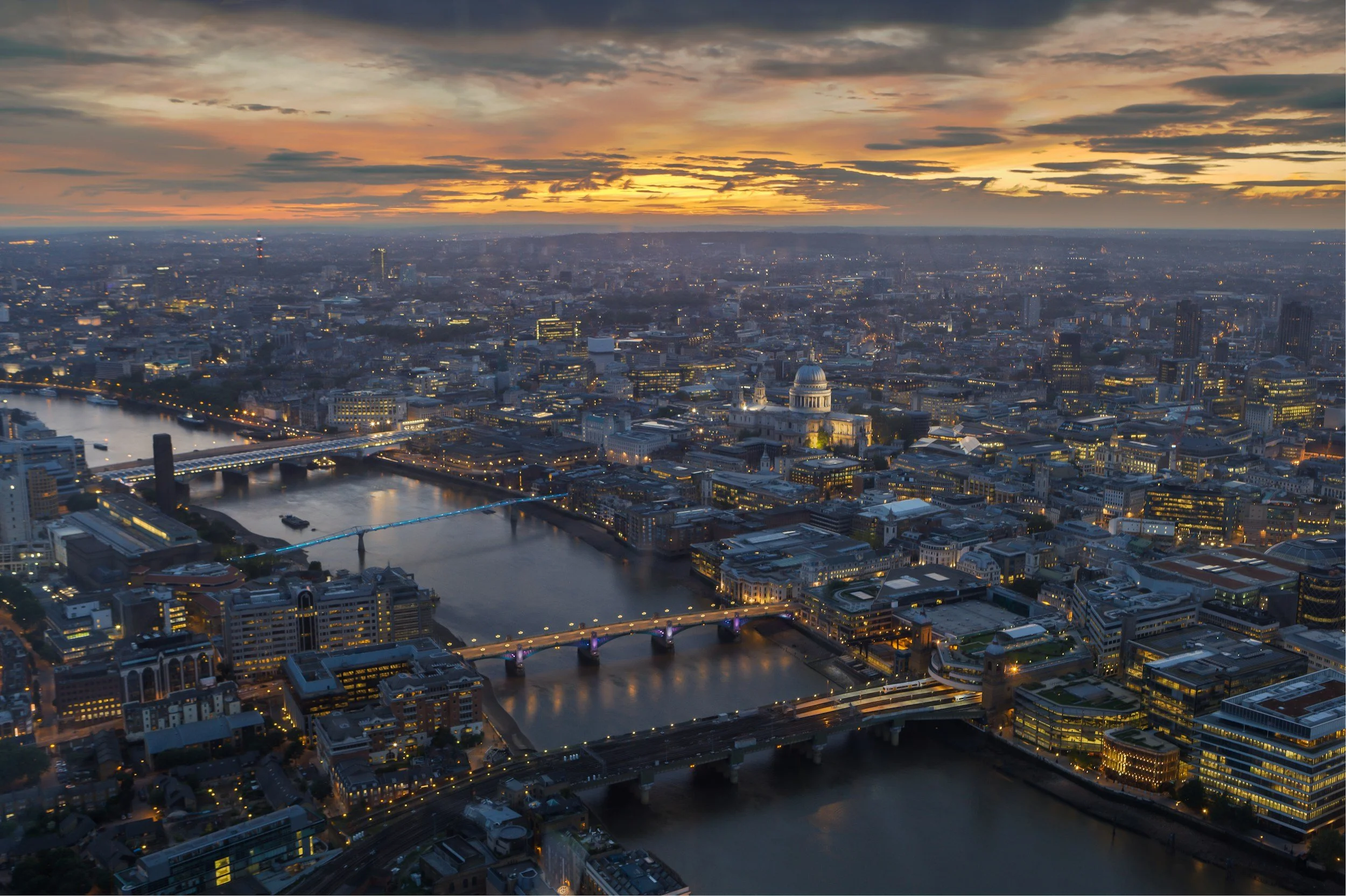
According to analysis and commentary from Savills, Knight Frank and LonRes, UHNW buyers consistently outperform the wider market not because they chase opportunity, but because they avoid error.
Below are the key mistakes UHNW buyers deliberately avoid when purchasing luxury London homes.
1. Confusing Prestige With True Prime Value
UHNW buyers do not rely on postcode reputation alone. They understand that not all addresses within a prestigious area perform equally.
They avoid purchasing homes that rely solely on brand appeal while overlooking micro location factors such as:
Street quality and outlook
Traffic flow and noise
Future development risk
Aspect and light
Neighbouring ownership patterns
Savills Research consistently shows that best in class streets outperform wider postcode averages in both resilience and long term appreciation.
2. Overpaying for Superficial Finish
Ultra wealthy buyers are cautious of properties where value has been inflated through excessive cosmetic refurbishment rather than architectural integrity.
They avoid homes that feature:
Trend driven interiors likely to date quickly
Over designed layouts that compromise proportion
Poor quality materials hidden behind visual appeal
Renovations that disregard original structure
Instead, UHNW buyers prioritise timeless architecture, strong bones and flexibility. They are willing to enhance a property discreetly rather than pay a premium for short lived design.
3. Ignoring Privacy and Security at Street Level
One of the most expensive mistakes UHNW buyers avoid is compromising privacy for location.
They assess:
Visibility from the street
Setback and access control
Density of neighbouring properties
Ease of unauthorised access
Security infrastructure compatibility
In apartments, they avoid high density developments with shared lifts, exposed amenities or excessive foot traffic.
Privacy failures are difficult and costly to correct once purchased.
4. Buying Without an Exit Strategy
UHNW buyers never assume a property will be held indefinitely. Even family homes are assessed through the lens of future liquidity.
They avoid properties that:
Appeal to an overly narrow buyer profile
Suffer from compromised light or layout
Depend on niche design choices
Sit outside international buyer preferences
Knight Frank data indicates that properties with broad global appeal retain stronger liquidity even during market slowdowns.
UHNW buyers think like custodians, not speculators.
5. Underestimating Legal and Structural Complexity
London luxury property often comes with layered legal structures. UHNW buyers avoid rushing into transactions without full clarity.
They are alert to:
Complex lease terms
Restrictive covenants
Service charge exposure
Freehold versus leasehold dynamics
Trust or corporate ownership implications
Specialist solicitors are involved early, not reactively. Legal simplicity is treated as a value driver.
6. Treating Off Market Purchases Casually
While UHNW buyers frequently purchase off market, they do not assume discretion equals advantage.
They avoid:
Assuming off market means underpriced
Skipping proper valuation benchmarks
Relying on informal introductions
Proceeding without documented authority
LonRes commentary shows that some off market homes trade above market value due to lack of transparency. UHNW buyers apply more scrutiny off market, not less.
7. Allowing Emotion to Drive Negotiation
UHNW buyers maintain emotional distance throughout the process.
They avoid:
Competitive bidding driven by ego
Fear of missing out behaviour
Over attachment to a single property
Public negotiation tactics
Their willingness to walk away is one of their strongest negotiating tools. Calm optionality protects both capital and judgement.
8. Overlooking Long Term Running Costs
Purchase price is only one component of ownership.
UHNW buyers carefully assess:
Service charges and future increases
Maintenance obligations
Staff accommodation costs
Energy efficiency and future compliance
Insurance and security expenses
A home that underperforms operationally can become an inefficient asset regardless of purchase price.
9. Failing to Align the Property With Lifestyle Reality
UHNW buyers avoid buying homes that look impressive but function poorly for daily life.
They evaluate:
Flow between formal and private spaces
Practical family living arrangements
Staff access and service routes
Ease of security integration
Adaptability for future needs
Luxury that disrupts daily living is not viewed as luxury at all.
10. Buying Without Trusted Professional Advice
Perhaps the most important mistake UHNW buyers avoid is acting without expert representation.
They do not rely solely on selling agents. Instead, they surround themselves with:
Independent buying agents
Specialist solicitors
Tax and structuring advisers
Surveyors experienced in prime London stock
According to RICS guidance, independent advice becomes increasingly valuable as transaction size and complexity increase.
Why This Discipline Matters in London
London’s luxury market rewards precision. Small oversights can have disproportionate consequences at higher values.
Savills Research notes that ultra prime homes which combine correct location, privacy, proportion and legal clarity consistently outperform secondary stock, regardless of market conditions.
UHNW buyers understand that avoiding mistakes often delivers more value than chasing opportunity.
Final Thought
Ultra high net worth buyers do not succeed in London property by being aggressive or opportunistic.
They succeed by being selective, disciplined and patient.
By avoiding common mistakes around privacy, structure, emotion and long term value, they turn property purchases into durable assets rather than expensive liabilities.
In London’s luxury market, the smartest move is often the one you choose not to make