
Why Some Streets Hold Property Value Better Than Others
Within the same neighbourhood, property values often display surprising variation. Two homes separated by only a few minutes of walking can behave very differently in pricing resilience, buyer demand, and long term appreciation. This phenomenon reveals one of real estate’s most important yet underestimated principles.
Micro location frequently outweighs macro location.
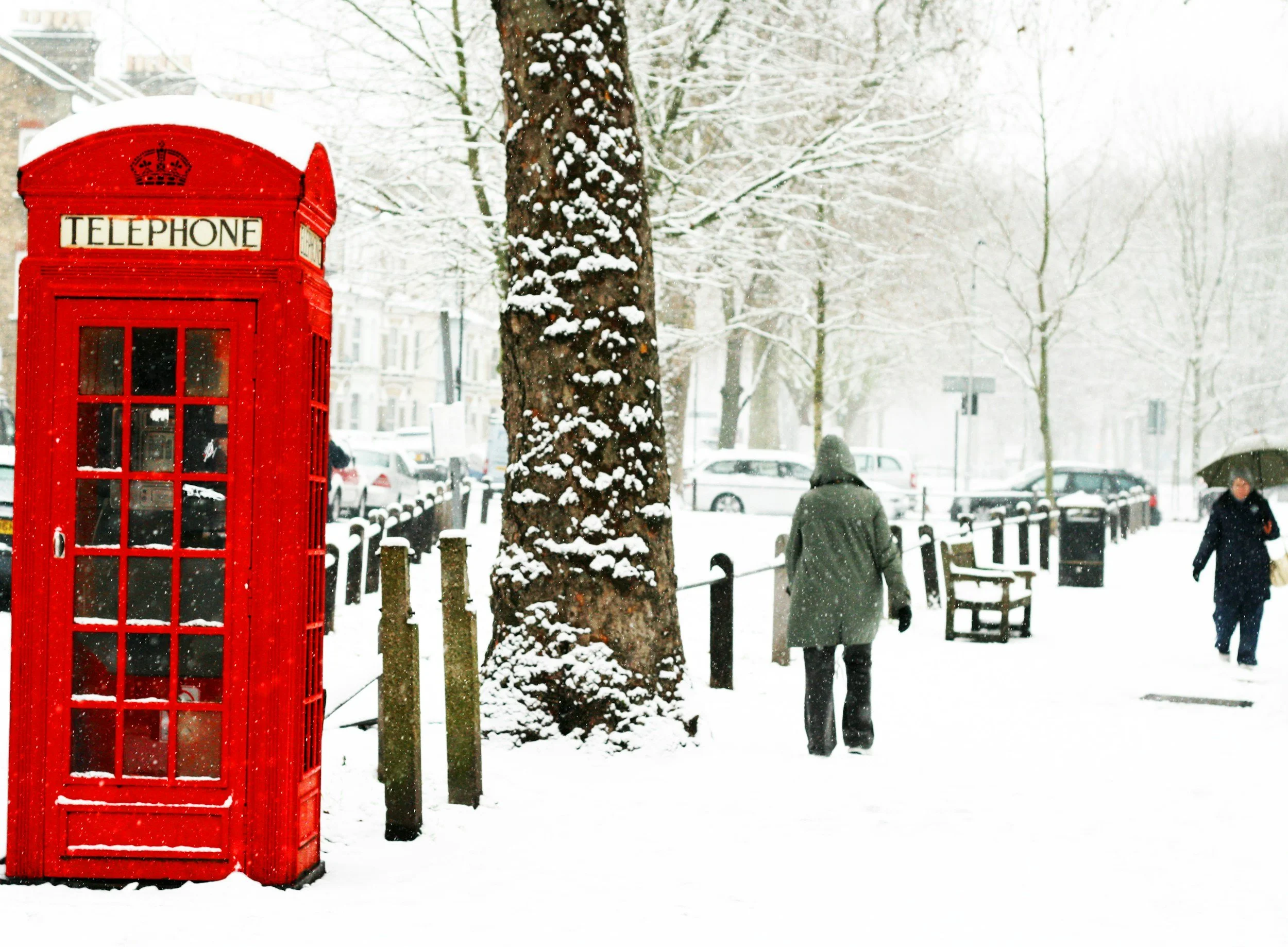
Streets, not just districts, shape value stability.
The Power of Hyperlocal Dynamics
Property markets do not operate with uniform logic even within desirable postcodes. Buyers respond to subtle environmental, psychological, and practical cues that influence how a street is perceived and experienced.
These forces quietly govern demand intensity.
1. Traffic Flow and Environmental Calm
Quiet streets tend to preserve value more effectively than those exposed to heavy traffic. Noise levels, pedestrian activity, and general tranquility strongly affect buyer comfort and willingness to pay.
Reduced disturbance enhances long term desirability.
2. Visual Cohesion and Architectural Harmony
Streets with consistent architectural character and well maintained façades often perform better in value retention. Visual order signals stability, pride of ownership, and neighbourhood care.
Aesthetic continuity influences perception of prestige.
3. School Catchments and Institutional Anchors
Proximity to highly regarded schools frequently creates powerful pricing insulation. Demand from family buyers introduces resilience that can support values even during broader market slowdowns.
Educational access becomes a structural value driver.
4. Accessibility Without Disruption
The most value resilient streets often balance convenience with calm. Easy access to transport, retail, and amenities enhances appeal, yet excessive proximity to busy hubs may introduce noise and congestion penalties.
Optimal positioning matters more than simple closeness.
5. Street Reputation and Buyer Psychology
Reputation operates as an invisible pricing mechanism. Streets associated with safety, exclusivity, or prestige tend to sustain stronger demand across cycles. These perceptions may arise from historical factors, resident profiles, or subtle social signals.
Belief systems influence market behavior.
6. Supply Constraints and Development Patterns
Streets with limited redevelopment potential or protected architectural status often display stronger value stability. Restricted supply preserves scarcity, which supports pricing power over time.
Scarcity strengthens resilience.
7. Greenery, Light, and Spatial Experience
Tree lined streets, open sightlines, and natural light exposure enhance perceived livability. Environmental quality shapes emotional response, which directly affects buyer preference.
Atmosphere contributes to valuation psychology.
8. Resident Profile and Social Signaling
Buyer decisions are often influenced by who already lives on a street. Demographic composition, upkeep standards, and neighbourhood identity subtly reinforce desirability.
Social context becomes economic context.
The Hidden Economics of Street Level Value
Property valuation is not governed solely by structural attributes. Surroundings, sensory experience, and collective perception form a powerful pricing matrix. Streets offering comfort, coherence, and convenience without friction frequently demonstrate superior value retention.
Location precision shapes market performance.
Final Reflection
Some streets outperform others not by accident but through a convergence of environmental quality, scarcity, accessibility, and psychology. In mature urban markets, hyperlocal distinctions often determine long term pricing behavior.
In real estate, value lives at street level.
Sources and References
Journal of Property Research
Urban Studies Journal
Royal Institution of Chartered Surveyors Market Analysis
London School of Economics Urban Research
Office for National Statistics Housing Data