
Why Two Luxury Flats in the Same Building Differ in Price
In luxury residential developments it is common for two apartments within the same building to carry noticeably different price tags. Buyers unfamiliar with the dynamics of high end property markets often assume that similar apartments in the same development should be priced equally. In reality, developers and estate agents price individual units according to a range of factors that influence desirability, scarcity and long term value.
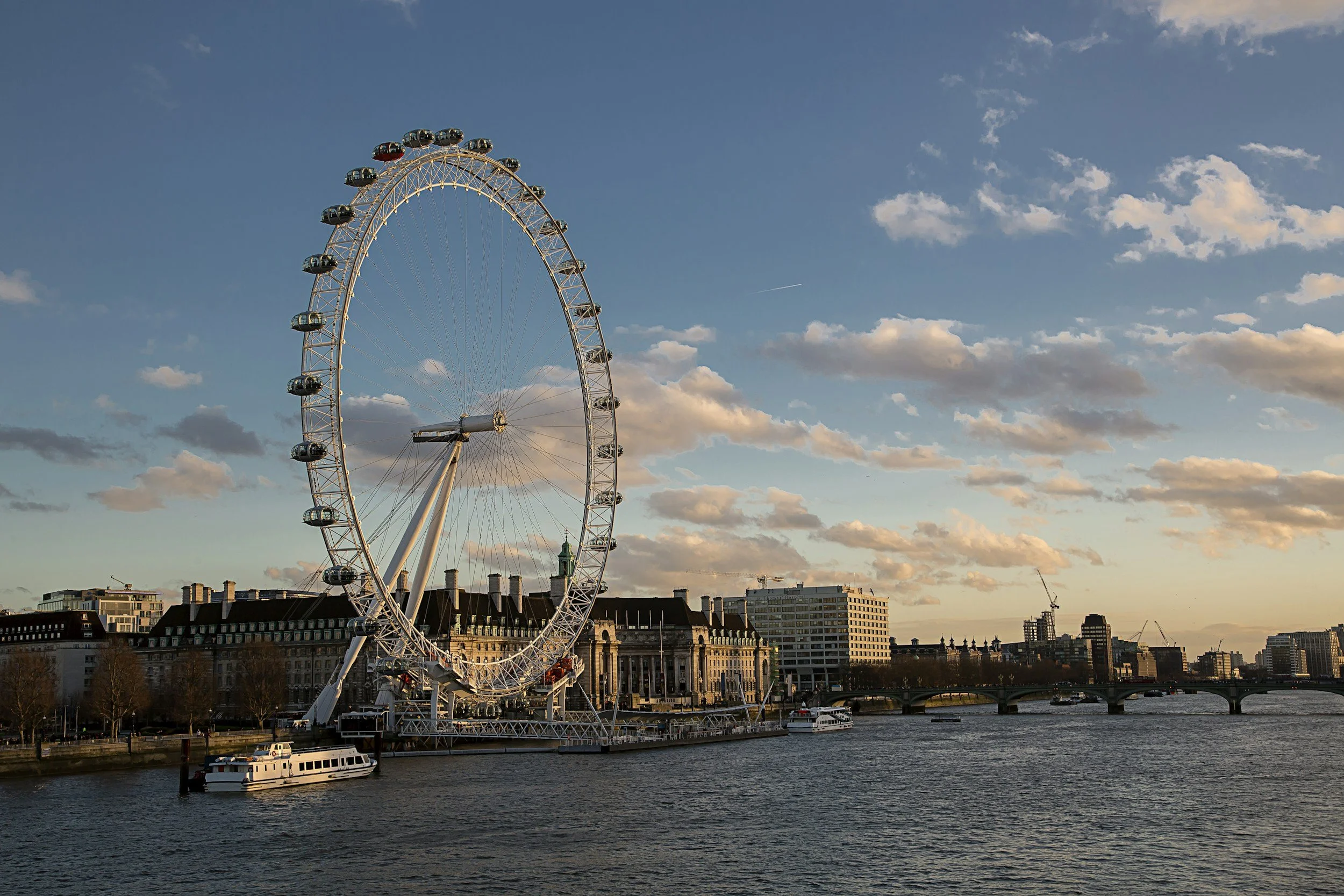
Within luxury buildings, even subtle differences in location within the structure, layout or view can significantly affect pricing. As a result, two apartments with similar square footage may differ substantially in value depending on their specific characteristics.
Understanding how these differences arise helps buyers and investors evaluate whether a particular unit represents fair value within a development.
Floor Height
One of the most influential factors affecting apartment pricing is floor level. In most luxury developments, higher floors command premium prices due to improved views, greater natural light and reduced street noise.
As floor levels increase, apartments may offer wider city views, river outlooks or sightlines across surrounding landmarks. These features enhance the perceived exclusivity of the property and can significantly increase value.
Because higher floors are limited in number, developers often price them progressively higher as the building rises.
Views and Orientation
Views play a central role in luxury apartment pricing. Residences overlooking parks, rivers or city skylines typically command higher values than those facing neighbouring buildings or internal courtyards.
Even within the same floor, apartments facing different directions may carry different prices depending on outlook and sunlight exposure. Corner units with dual aspects are particularly desirable because they provide additional light and wider views.
In luxury developments where scenic outlooks are a key selling feature, view premiums can represent a substantial portion of the overall price difference.
Layout and Internal Design
The internal configuration of an apartment also influences pricing. Two units with similar square footage may offer very different living experiences depending on how space is arranged.
Buyers often prefer layouts that maximise natural light, create large open living areas and separate private bedroom spaces from entertaining zones. Apartments with efficient layouts and well proportioned rooms tend to command stronger prices.
Conversely, units with awkward floor plans or limited natural light may be priced more competitively even within prestigious developments.
Outdoor Space
Private outdoor space has become increasingly important in luxury residential markets. Apartments featuring terraces, balconies or rooftop access frequently achieve higher prices than comparable units without such features.
Outdoor areas provide additional living space and are particularly valued in urban environments where private outdoor areas are limited. Larger terraces or panoramic rooftop spaces may significantly increase the value of certain apartments within a building.
Because only a small number of units typically offer substantial outdoor areas, these properties often command strong premiums.
Position Within the Building
An apartment’s position within the building structure can also influence pricing. Corner units are often more desirable because they provide additional windows and improved natural light.
Apartments located far from service areas such as lifts or mechanical rooms may also be considered more attractive. Similarly, units situated on quiet sides of the building may command stronger demand.
Developers carefully evaluate these positional differences when setting prices for individual apartments.
Release Timing and Sales Phases
Developers frequently sell apartments in phases rather than releasing the entire building to the market at once. Early buyers may secure units at slightly lower prices before demand becomes fully established.
As sales progress and interest increases, developers often raise prices for remaining units. This means that two similar apartments may have different prices simply because they were released at different stages of the sales programme.
This phased pricing strategy is widely used in luxury developments.
Market Demand and Scarcity
Finally, pricing differences may reflect simple market demand. Certain apartments within a development may attract stronger interest due to unique features such as larger floor areas, better views or distinctive layouts.
When multiple buyers compete for the same type of unit, prices may increase accordingly. Conversely, apartments with less distinctive characteristics may remain priced more competitively.
These dynamics illustrate how individual properties within the same building can carry different valuations.
Market Perspective
Luxury residential developments are carefully designed and priced to reflect subtle differences between units. Developers analyse factors such as view corridors, floor height and buyer demand when setting prices across a building.
Research from major property consultancies such as Savills and Knight Frank regularly highlights how micro level characteristics can influence pricing within high end developments.
For buyers evaluating luxury apartments, understanding these nuances is essential to determining whether a particular unit represents strong value.
Conclusion
Two luxury flats in the same building may differ in price for a variety of reasons including floor level, views, layout, outdoor space and position within the development. Developers also use phased sales strategies that can create price variations between otherwise similar units.
For buyers navigating the luxury property market, examining these factors carefully can help reveal why certain apartments command higher prices and whether a particular property offers good value within the building.