
Why UHNW Buyers Prefer Off-Market London Property
In London’s prime and super-prime residential market, the most desirable properties rarely appear on public portals. For Ultra-High-Net-Worth (UHNW) buyers, off-market transactions are not a workaround — they are the preferred acquisition channel.
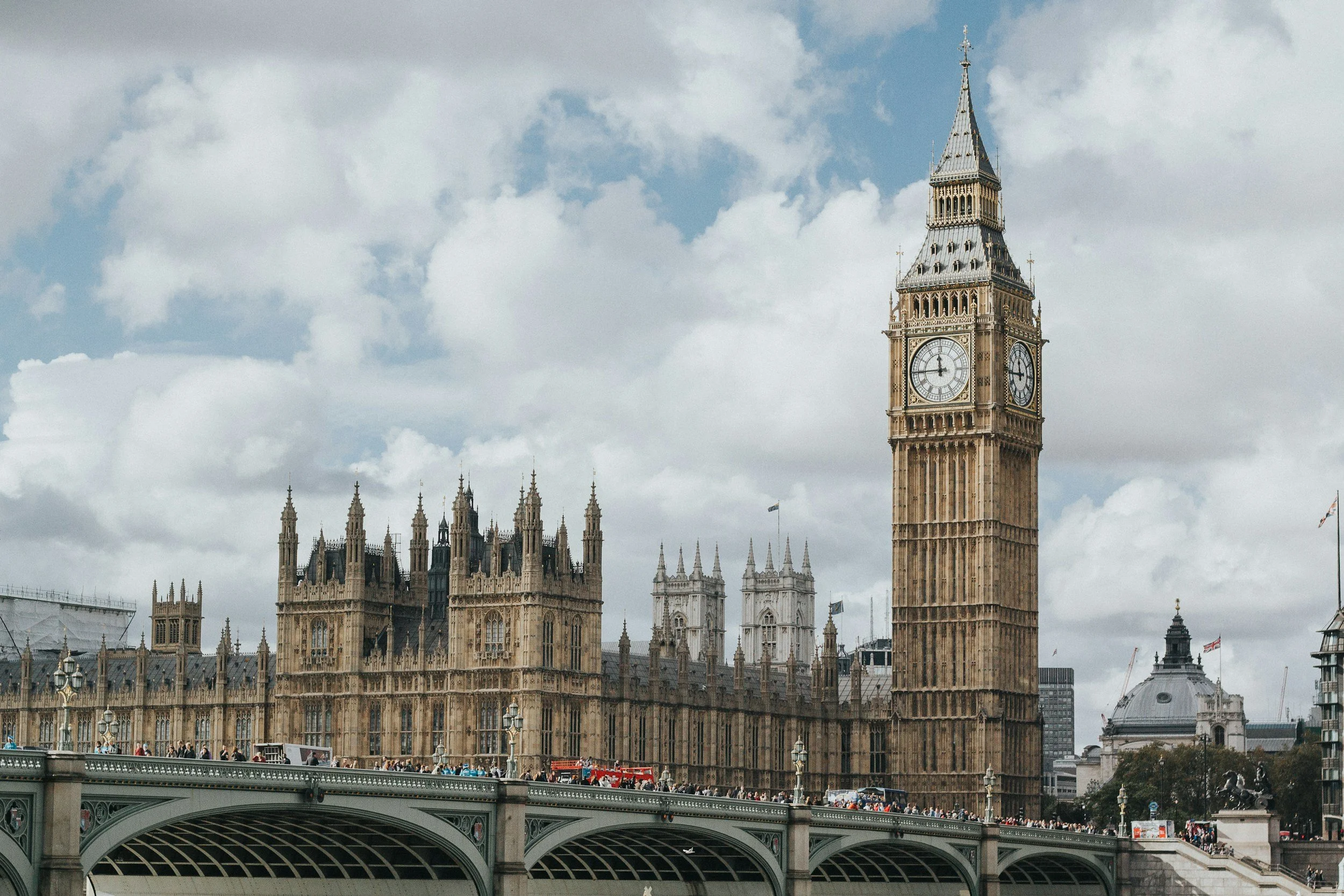
This preference is driven by a combination of privacy, control, access to superior stock, and long-term capital strategy, particularly in locations such as London, Mayfair, Belgravia, Knightsbridge, and Chelsea.
Below are the key reasons off-market property dominates UHNW buying behaviour in London.
1. Privacy Is Non-Negotiable
For UHNW individuals, privacy is a strategic requirement, not a lifestyle preference.
Public listings:
expose ownership intentions,
attract unnecessary attention,
create digital records that persist indefinitely.
Off-market transactions:
avoid online exposure entirely,
limit knowledge of the sale to a small, vetted circle,
reduce reputational, security, and personal risk.
For global principals, family offices, and politically exposed individuals, discretion is fundamental.
2. The Best Properties Never Reach the Open Market
In Prime Central London, scarcity defines value.
Many of the most desirable homes — lateral apartments, penthouses with private lift access, heritage buildings with concierge services — are:
sold privately,
exchanged between known parties,
released only to trusted buyers via private agents.
By the time a property reaches public portals, UHNW buyers often regard it as second-tier stock.
Off-market access provides:
earlier entry,
superior choice,
assets with true rarity value.
3. Off-Market Deals Reduce Competitive Pressure
Public listings create:
bidding wars,
artificial urgency,
emotionally driven pricing.
UHNW buyers typically prefer:
controlled negotiations,
rational valuation,
bespoke terms rather than public competition.
Off-market transactions allow buyers to:
negotiate directly with motivated sellers,
structure offers creatively,
avoid inflated prices driven by mass visibility.
This is particularly important for trophy assets where price anchoring matters.
4. Flexibility in Deal Structure
UHNW buyers often require non-standard transaction terms, including:
delayed completions,
staggered payments,
asset swaps,
corporate or trust ownership structures,
seller leasebacks.
Such flexibility is rarely compatible with open-market sales.
Off-market deals allow:
bespoke legal structuring,
confidentiality around ownership vehicles,
alignment with tax, estate, or succession planning.
This makes off-market property especially attractive to international buyers and family offices.
5. Discretion Protects Asset Value
Public listings can damage a property’s perceived value if:
price reductions are visible,
listings remain unsold for extended periods,
multiple agents market the same asset.
UHNW buyers understand that:
visibility creates price history,
price history weakens negotiating power.
Off-market transactions protect:
pricing integrity,
long-term capital value,
future resale positioning.
A discreet sale preserves the asset’s narrative.
6. Relationship-Led Access Creates Advantage
Off-market property is fundamentally relationship-driven.
UHNW buyers gain access through:
private agents with trusted vendor relationships,
developers allocating units quietly,
solicitors, bankers, and trustees facilitating introductions,
repeat buyer status and referral networks.
This relationship capital becomes a competitive advantage over transactional buyers relying on portals.
7. Alignment with UHNW Buying Psychology
UHNW buyers typically:
do not rush,
prioritise fit over volume,
value certainty over visibility.
Off-market acquisitions align with:
long-term wealth preservation,
strategic portfolio construction,
lifestyle-driven rather than yield-driven decision-making.
For many UHNW clients, buying publicly feels inefficient and exposed — the opposite of how they manage other assets.
8. London’s Legal and Cultural Structure Supports Off-Market Sales
London’s property ecosystem actively supports private transactions through:
mature legal frameworks,
specialist prime agents,
strong professional confidentiality norms.
Unlike emerging luxury markets, London has decades of precedent for discreet, high-value real estate exchanges — particularly in legacy neighbourhoods.
This makes off-market buying not only possible, but culturally embedded.
Final Perspective
UHNW buyers prefer off-market London property because it delivers what wealth ultimately values most:
discretion,
access,
control,
and preservation of long-term value.
In Prime Central London, off-market transactions are not exceptional — they are the norm at the top end of the market. Buyers who rely solely on public listings often miss the most compelling opportunities entirely.
For UHNW individuals, the question is rarely “what is listed?”
It is “what is quietly available — and to whom?”