
Why Ultra Wealthy Buyers Pay Extraordinary Premiums for Views
Across global prime real estate markets, few variables exert as much pricing power as an exceptional view. Whether overlooking Central Park, Lake Geneva, Hyde Park, or the Mediterranean, view premiums consistently distort conventional valuation frameworks. Transactions that appear irrational through a purely functional lens reveal a different logic when examined through scarcity economics, behavioural finance, and wealth psychology.
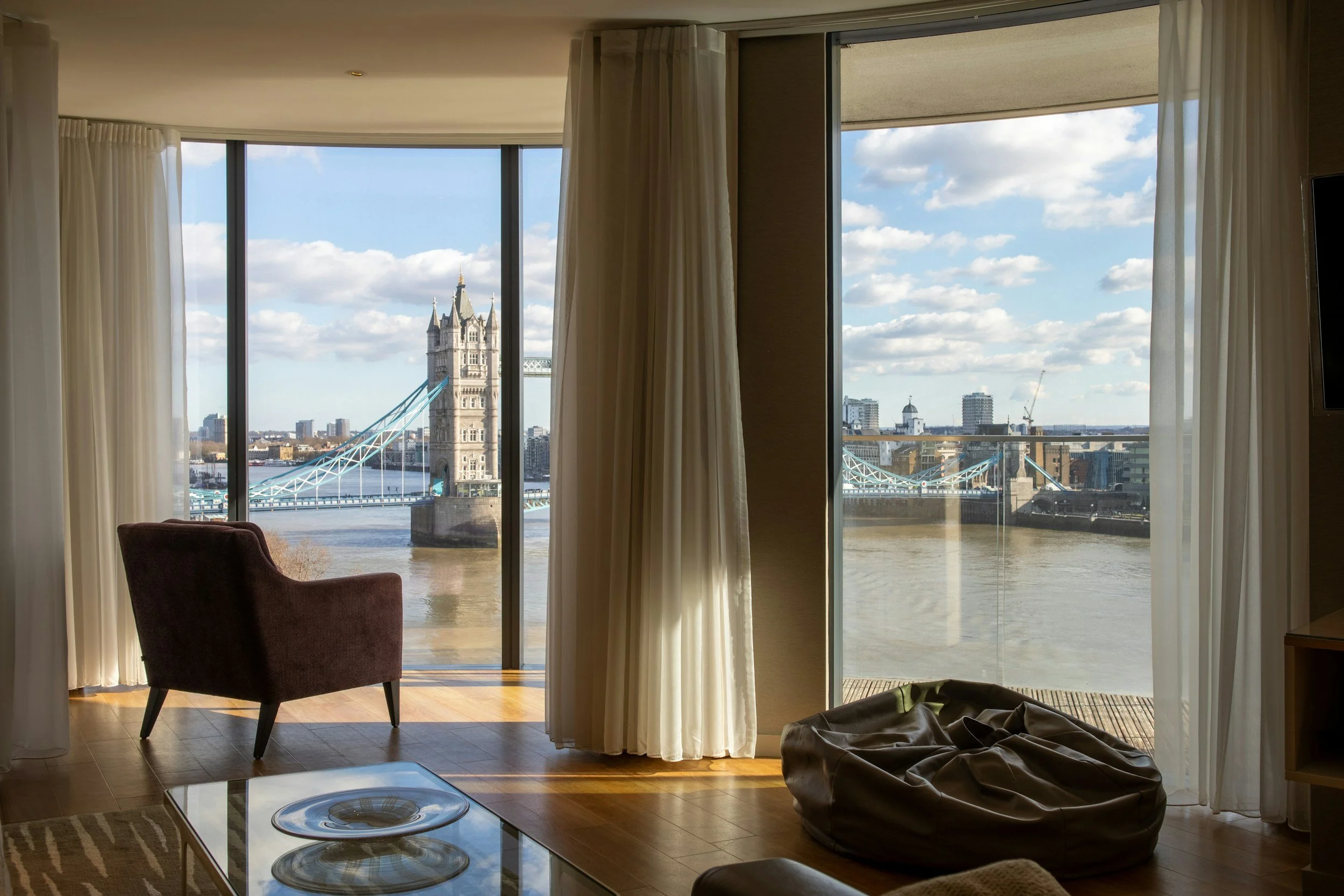
Data from Knight Frank and Savills repeatedly confirms that view oriented properties achieve disproportionate price resilience and demand intensity at the ultra prime level. The explanation is not aesthetic preference alone. View premiums arise from deeper structural dynamics embedded in how high net worth individuals assess value, status, privacy, and long term asset defensibility.
1. Scarcity That Cannot Be Engineered or Replicated
A defining characteristic of a prime view is its irreversibility. Developers can enhance interiors, services, and amenities. They cannot manufacture a protected panorama once the surrounding geography is fixed. A frontal park exposure, uninterrupted waterfront, or skyline vantage point exists within hard physical constraints.
Savills’ global prime property research emphasises that non replicable attributes command the strongest long term pricing power. Among these, views represent one of the purest forms of absolute scarcity. Supply is permanently capped by nature, planning restrictions, and urban topology.
2. Behavioural Finance and Perceived Value Distortion
Traditional valuation models struggle to quantify emotional and cognitive biases. Behavioural economics offers clearer insight. Exceptional views alter perception of space, light, and psychological wellbeing. Buyers do not evaluate square footage in isolation. They evaluate lived experience.
Studies referenced in wealth and luxury consumption research, including analyses from McKinsey, show that ultra affluent decision making frequently incorporates intangible utility functions. When price sensitivity is low, subjective perception can exert greater influence than marginal cost considerations.
3. Views as Status Architecture and Silent Signalling
Within elite social ecosystems, views function as powerful but discreet signalling devices. Unlike overt displays of consumption, a rare vantage point communicates access, taste, and financial capacity without explicit exhibition. The asset signals distinction through context rather than ornamentation.
Knight Frank’s wealth reports frequently highlight the shift toward understated status markers among ultra high net worth individuals. View dominated residences align precisely with this preference. The prestige is self evident yet non theatrical.
4. Privacy, Psychological Space, and Control
A protected view is not merely visual. It creates perceived spatial expansion and reduces psychological density. Open vistas mitigate the feeling of urban compression and diminish direct overlooking risks. For globally exposed individuals, this translates into enhanced privacy and cognitive relief.
UBS analyses of high net worth lifestyle preferences consistently identify privacy and environmental control as dominant priorities. View premiums often embed these benefits implicitly, reinforcing willingness to pay beyond functional metrics.
5. Long Term Asset Defensibility and Liquidity Protection
View driven premiums frequently persist across cycles. While broader markets fluctuate, rare exposures tend to retain buyer interest and resale competitiveness. In periods of market stress, differentiated assets often outperform commoditised inventory.
Savills and Knight Frank both observe that ultra prime buyers increasingly prioritise downside protection alongside lifestyle considerations. A protected view operates as a defensive characteristic, supporting liquidity and price stability over extended horizons.
6. Trophy Asset Psychology and Global Comparability
Ultra high net worth individuals rarely assess purchases within purely local frameworks. Assets are compared across cities and continents. A singular view in London or Geneva competes conceptually with equivalent rarities in New York, Monaco, or Hong Kong.
Deloitte’s luxury market assessments note that globally mobile wealth holders construct value hierarchies based on rarity and symbolic resonance. Trophy views integrate seamlessly into this comparative psychology, often justifying premiums that exceed local valuation logic.
7. The Compounding Effect of Narrative and Identity
Exceptional views acquire narrative power. Residences become associated with iconic skylines, historic parks, or culturally significant landscapes. Over time, these associations reinforce desirability through collective perception and market memory.
Knight Frank’s analyses of ultra prime markets frequently reference the role of intangible brand effects within real estate. A view tied to a globally recognised landmark benefits from this reputational compounding.
Conclusion: Premiums That Reflect Structural Logic Rather Than Excess
What appears as overpayment through narrow financial frameworks often reflects rational behaviour within scarcity driven luxury markets. Views compress multiple value dimensions into a single attribute: irreversibility, prestige, privacy, defensibility, and symbolic capital.
For ultra affluent buyers, price is rarely evaluated solely against construction cost or comparable transactions. It is assessed against rarity, long term positioning, and the strategic utility of owning what cannot be duplicated. In this context, extraordinary view premiums represent not anomalies, but predictable outcomes within the economics of ultra prime property.