
Best Regeneration Hotspots Near Battersea Power Station — 2026
Battersea Power Station may be the marquee name on the Thames, but the area around it — especially Nine Elms, Vauxhall, and surrounding corridors — is one of London’s most active and valuable regeneration clusters. For long-term capital growth and rental demand, these markets combine infrastructure delivery, mixed-use renewal, corporate relocation, and cultural investment at scale.
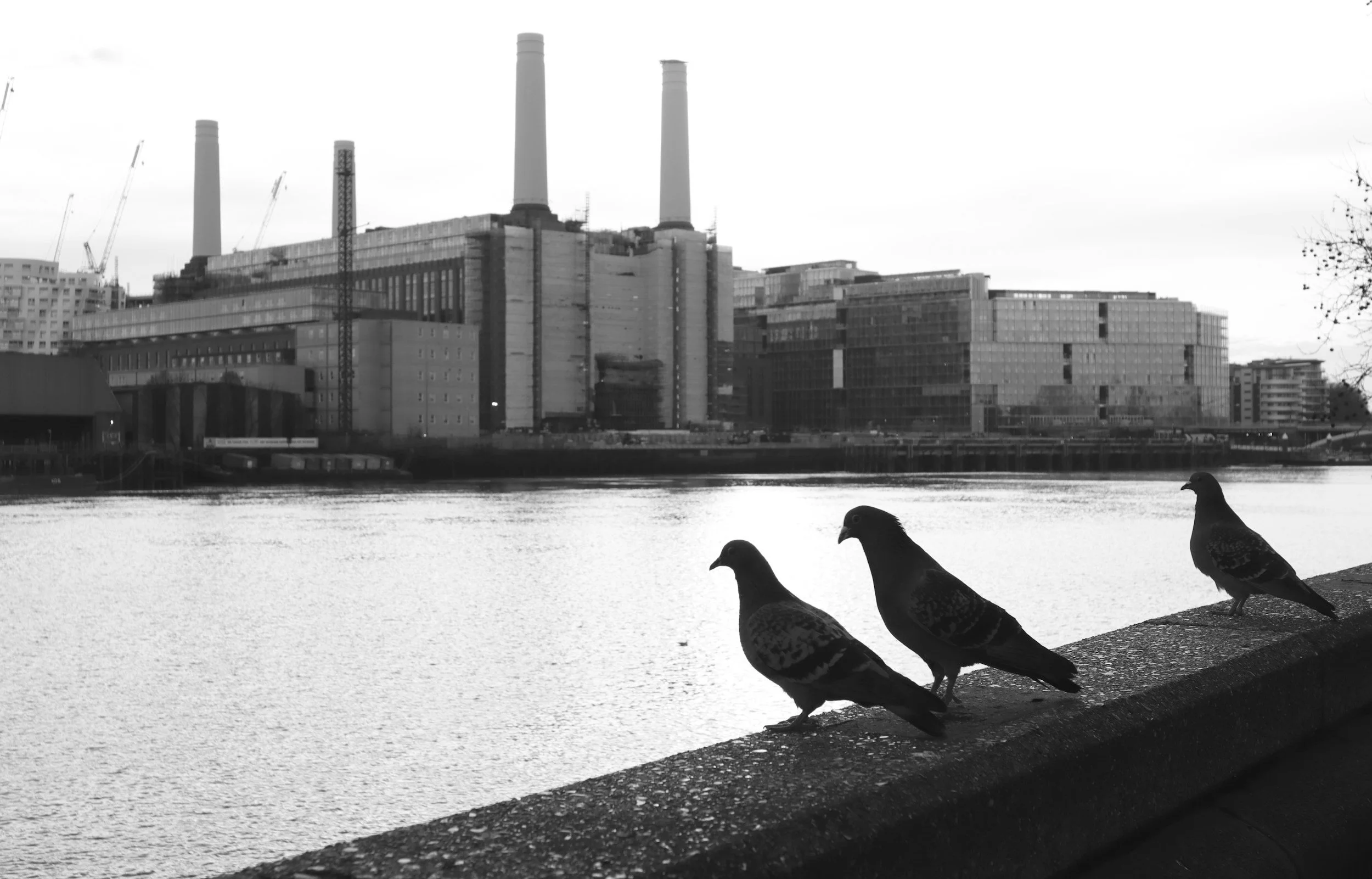
Below are the highest-impact regeneration hotspots near Battersea Power Station right now.
1) Nine Elms Core District
Why it matters:
Nine Elms is the anchor regeneration zone bordering Battersea Power Station. Long before Battersea became an address in its own right, Nine Elms was planned as a comprehensive urban renewal — transport, housing, office, retail, parks, and public space. It is now coming to full maturity.
Regeneration drivers
Northern Line extension linking directly into central London
Embassy relocations creating international presence
New parks and public realm
Mixed-use residential developments adding density and amenities
Key appeal for investors:
Strong, layered demand from residents and renters
Scarce future developable land
Continued corporate and cultural investment
Best for: Capital growth, rental yield, lifestyle usage
2) Vauxhall Transport & Riverside Corridor
Why it matters:
Vauxhall sits immediately east of Nine Elms and is buoyed by its own set of regeneration forces. Traditionally overshadowed by central nodes, Vauxhall is now the bridge between central London and the new Thames corridor.
Regeneration drivers
Major transport connections (Victoria Line, National Rail, bus networks)
Riverside redevelopment projects
New office space and amenities boosting local daytime population
Increasing residential quality and mix
Key appeal for investors:
Ubiquity of transport driving tenancy and resale demand
Younger urban professional demographic
Higher rental yields than more established prime zones
Best for: Yield-focused portfolios and transit-oriented living
3) Battersea Reach & Riverside Extension
Why it matters:
Just west of the Power Station and close to Battersea Park, Battersea Reach represents an extension of the Thames residential corridor with direct river connections and outdoor lifestyle appeal. It’s often quieter than the headline addresses, yet benefits from the same fundamentals.
Regeneration drivers
Upgraded riverside paths and leisure spaces
New luxury residential stock commanding river proximity
Integration with green space and Battersea Park pathways
Key appeal for investors:
Premium riverside living with less headline premium than Power Station core
Strong performance in both capital and rental markets
Community feel with park and water
Best for: Family buyers and lifestyle renters
4) Chelsea Creek & Creekside Transitional Zone
Why it matters:
North of Battersea Power Station, where the estate meets Chelsea Creek, there’s a quieter yet evolving water-oriented neighbourhood. It’s undergoing incremental transformation with contemporary housing, cafés, and canal-related amenities.
Regeneration drivers
Incremental uplift of canal and small-scale urban spaces
Boutique residential projects adding character
Improved local amenity base
Key appeal for investors:
Underrated water views with heritage character
Proximity to Chelsea and Battersea without prime footprint pricing
Boutique stock with strong lifestyle appeal
Best for: Mid-term investment with character appeal
5) Wandsworth Road & Old York Road Corridor
Why it matters:
Just south of Power Station’s core, Wandsworth Road and Old York Road are seeing accelerated development relative to their broader borough context. This commuter-friendly strip is becoming more than a transitional route; it’s attracting mixed-use growth and residential interest.
Regeneration drivers
Transport nodes improving interconnectivity
Residential infill and refurbishment initiatives
Improved streetscape and local services
Key appeal for investors:
Emerging demand from commuters and families
Transitional pricing with upside potential
Cross-sector rental demand
Best for: Value-driven repositioning plays
6) Nine Elms South & Clapham Junction Corridor
Why it matters:
Beyond the immediate Nine Elms core lies the southward stretch toward Clapham Junction, which benefits from incremental infrastructure enhancement and population spread from the central Thames corridor. Long pegged as London’s busiest station area, Clapham Junction is poised to integrate more fully into the premium housing market.
Regeneration drivers
Crossrail 2 plans (subject to staging and politics)
Retail and station precinct improvements
Increasing residential density and quality
Key appeal for investors:
High rental markets driven by commuting access
Secondary price uplift from proximity to premium nodes
Long-term demand fundamentals independent of short cycles
Best for: Strategic, long-duration capital growth
How to Evaluate These Hotspots
When comparing regeneration areas, seasoned investors prioritise:
Transport permanence over promises
Completed transport improvements are far more valuable than planned ones.
Mixed-use mix
Areas that integrate work, retail, leisure, and homes tend to sustain demand longer.
Land scarcity
Zones with limited future supply are structurally advantaged.
Demographic breadth
Micromarkets that appeal to families, professionals, and international buyers rent and resell most consistently.
Final Perspective
Battersea Power Station is the anchor of a broader regeneration ecosystem radiating out into Nine Elms, Vauxhall, riverside corridors, and commuter fulcrums. While the Power Station itself attracts visibility, savvy buyers focus on adjacent nodes where functionality meets growth potential. These are the spots where yield, liquidity, and long-term capital resilience intersect most strongly in Greater London’s evolving landscape.